50 Families, 200 Tasks – Tackling the Challenge of Long-Term Motivation

 AI
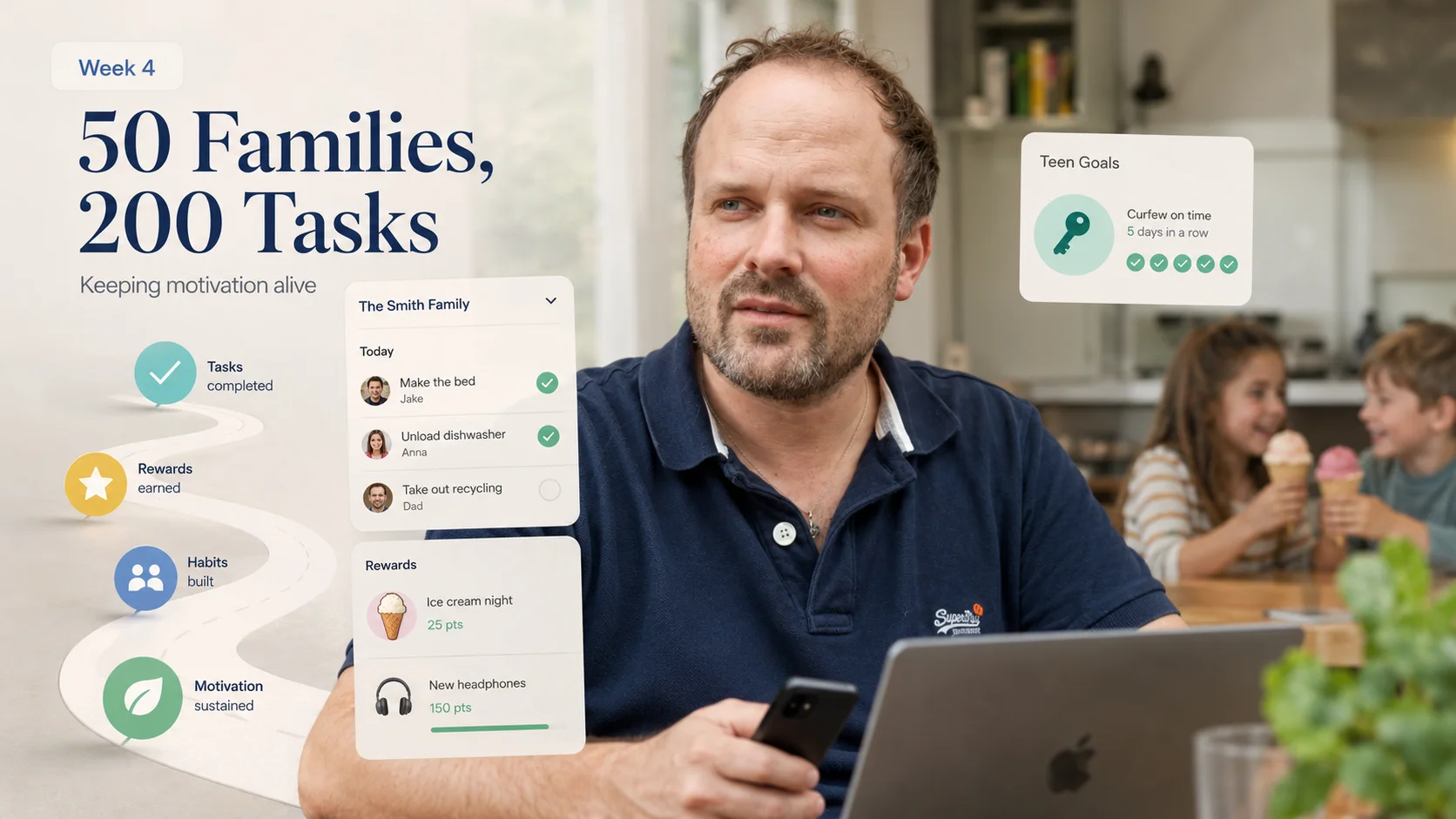
AIHaushelden has been around for almost a month now, and already 50 families are using our app. I was particularly moved by the participation of a family from Ukraine. This number is more than just a statistic—it shows that we are on the right track with our vision to make family life easier. But while over 200 tasks have been completed, the question arises: How do we maintain long-term motivation?
These 50 families represent more than just user numbers; each tells its own story. Take the family from Ukraine as an example: They show us that our app provides valuable support not only in everyday situations but also in extraordinary life circumstances. The thought that our app can bring a sense of normalcy and structure to this family's life is incredibly motivating. But how do we ensure that such families stay with the app long-term?
 AI
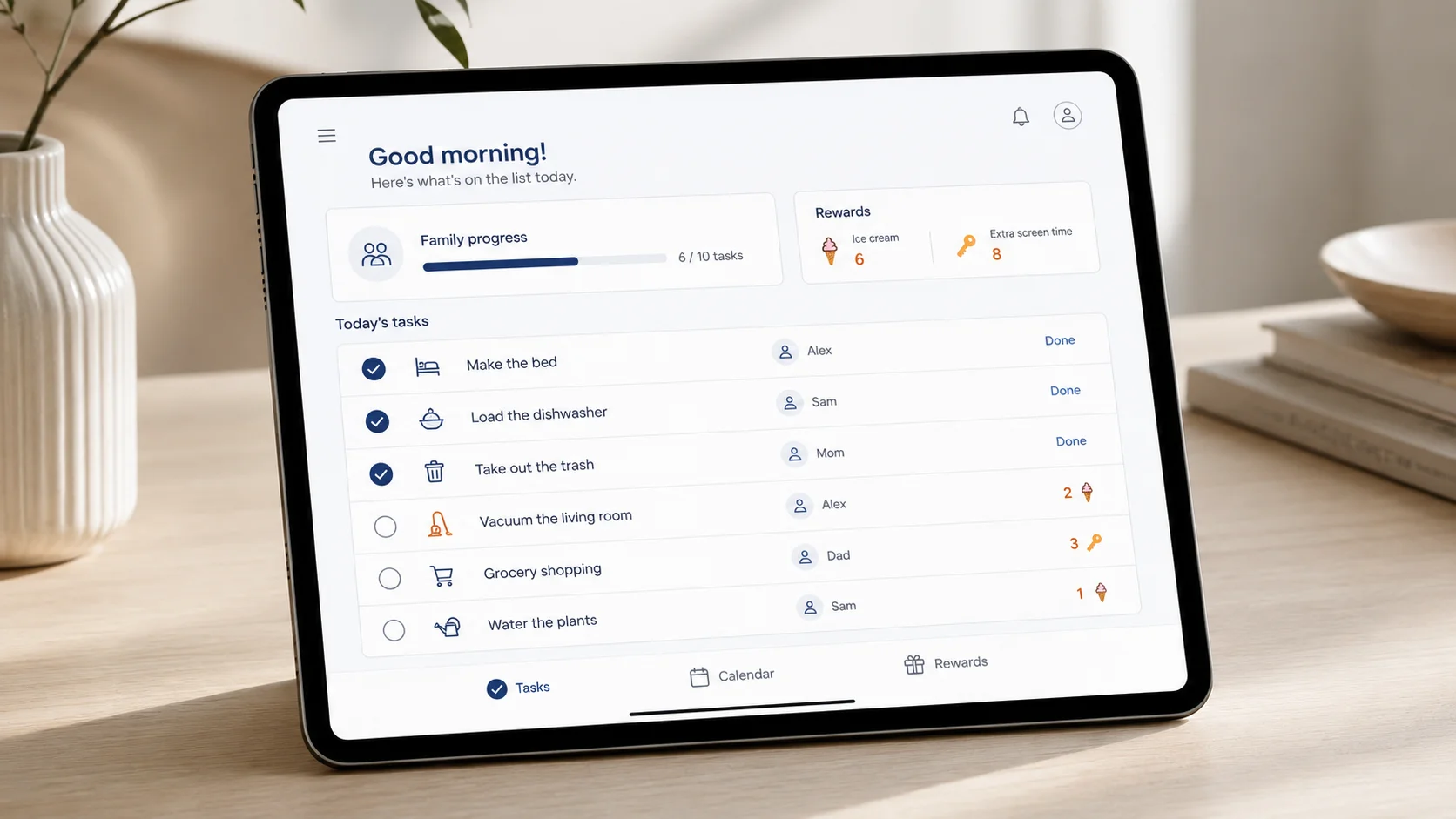
AIThe bet I'm currently making is that the reward system of ice cream and keys can maintain the motivation of children and teenagers in the long run. Ice cream is an immediate joy, while keys convey a sense of freedom and mystery. The average price for a reward is 6.4 ice creams—an indicator of how playfully and accessibly we design the incentives.
The decision to use ice cream and keys as rewards didn't come out of nowhere. In several tests and surveys, we found that these symbols have high emotional value for children. Ice cream stands for reward and enjoyment in the moment, while keys promise adventure and secrets. But the question remains: Can this initial appeal last over time? This is our challenge because when the reward becomes a habit, it quickly loses its effect.
- Ice cream: Reward unit for children
- Keys: Reward unit for teenagers
- 6.4 ice creams: Average cost per reward
But this is exactly where we're currently stuck. The challenge of long-term motivation is real. While the rewards initially seem attractive, there is a risk that they will lose their appeal over time. Like in a game, motivation could decrease if the reward becomes routine.
The initial rush to the app was promising. The children were excited to complete their first tasks and collect rewards. But after a few weeks, we noticed a decline in activity. This is a well-known phenomenon in psychology: the so-called habituation effect sets in. What was once new and exciting becomes normal. How can we prevent our app from falling into the routine trap?
User motivation is the key to their long-term engagement.
What's behind this? It's a well-known phenomenon from game theory. When rewards become predictable, they lose their appeal. This is called the saturation effect. A constant change of incentives is necessary to keep interest high. You might know this: When an app no longer surprises, it is used less.
This phenomenon can also be observed in adults. Think of a fitness program: Initially, motivation is high, and goals are clearly defined. But after a few weeks, the routine becomes boring, progress stagnates, and the initial excitement fades. In the app world, it's similar: We must continuously create new incentives to keep users engaged.
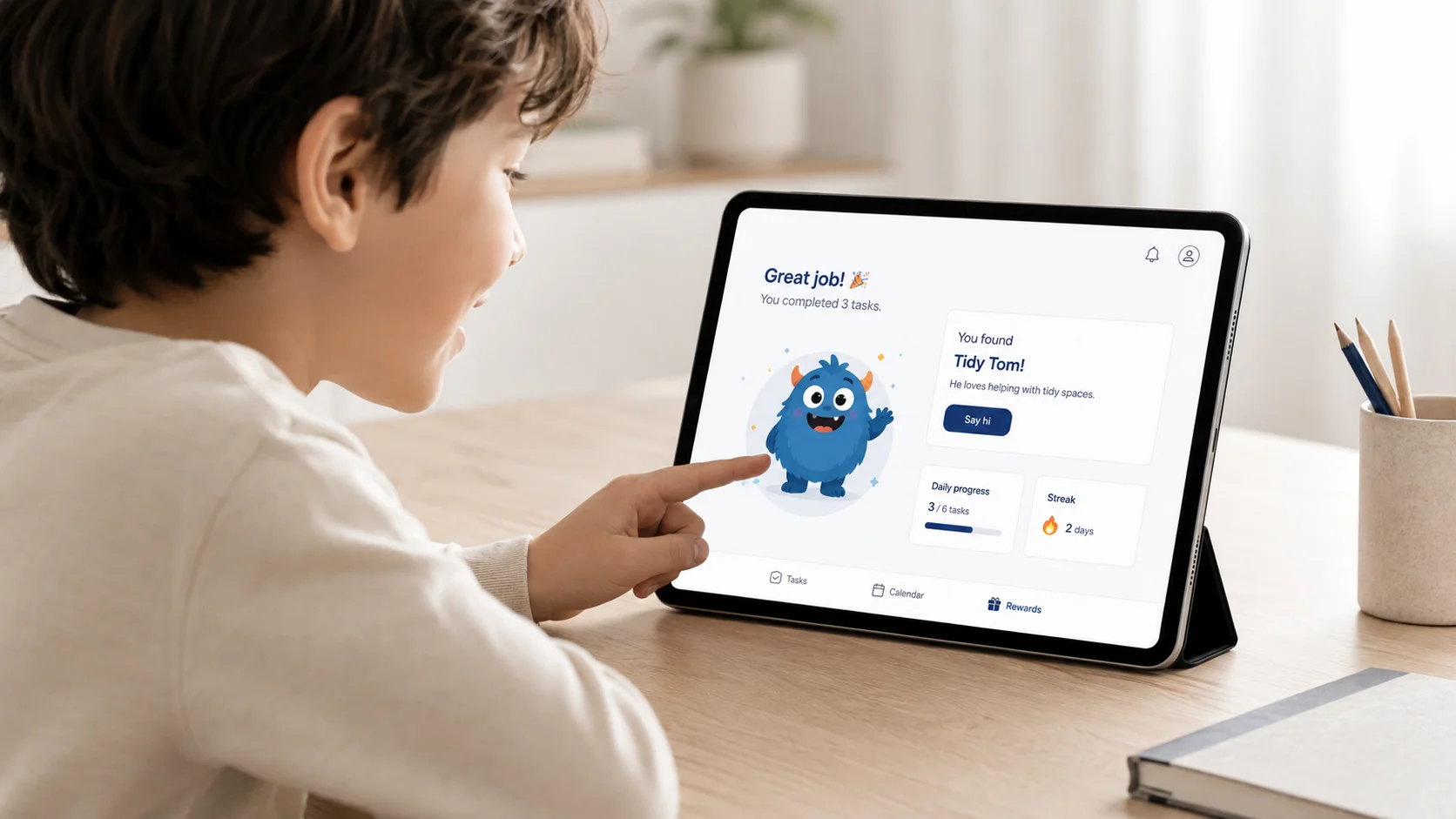
The next move is clear: I plan to enrich the app with new, interactive elements. Personalized rewards or an expanded monster universe are conceivable. These features could renew the spirit of discovery and keep the app exciting for users. I'm curious to see if these measures have the desired effect.
Another thought is to introduce seasonal events or special challenges. These could spice up the usual routine and offer new incentives. Imagine a "Ice Cream Challenge" in the summer or a "Key Hunt" in the winter. Such events could motivate users to return regularly and use the app even more intensively.
 AI
AIWhat's left open? Despite all the planning, the question of long-term motivation remains. Will the children stay motivated in the long run, or will they eventually lose interest? This uncertainty is exciting. It drives us to keep trying and adapting new ideas.
There are always variables we cannot control. Children's interests change quickly, and what is popular today could be forgotten tomorrow. This constant change is challenging but also exciting. It forces us to remain flexible and continuously develop the app.
Now it's your turn: How do you keep your children motivated in the long term? Do you think playful rewards like ice cream and keys are enough? I'm curious about your thoughts and experiences. Maybe you've already tried similar systems or completely different approaches that have worked for you.
This discussion is not only important for me but for all developers of products that rely on long-term motivation. Your experiences could provide us with valuable insights into how we can make our app even better.
user engagementgamificationlong-term motivationOctalysis Framework