Week 7: Competition and Technical Challenges

 AI
Week seven, and I'm in the midst of preparing for a competition that ends in two weeks - I just discovered it! Deciding to participate with my startup Haushelden brings new challenges and demands my full attention.
The competition requires quick results while the product itself is still in its infancy. Haushelden is a very young startup, and the submission deadline adds extra pressure. Participating is a bet on visibility and growth that I haven't taken lightly.
 AI
However, focusing on the competition comes at a price. Developing a privacy-compliant process that works in households with families and children is a technical challenge. Our capabilities are massively restricted by privacy concerns, affecting stability.
These restrictions are at the core of the problem. It's not easy to remain innovative in such a sensitive environment. The technology isn't stable enough yet to be made publicly available. Currently, only beta users can access it.
- Privacy as the top priority
- Technical limitations due to privacy protection
- Current tests accessible only to beta users
The mechanism behind this dilemma is clear: Finding the balance between privacy and functionality is often difficult. In an environment where families and children are the focus, privacy protection cannot be sacrificed. This structural challenge is not unfamiliar to many startups.
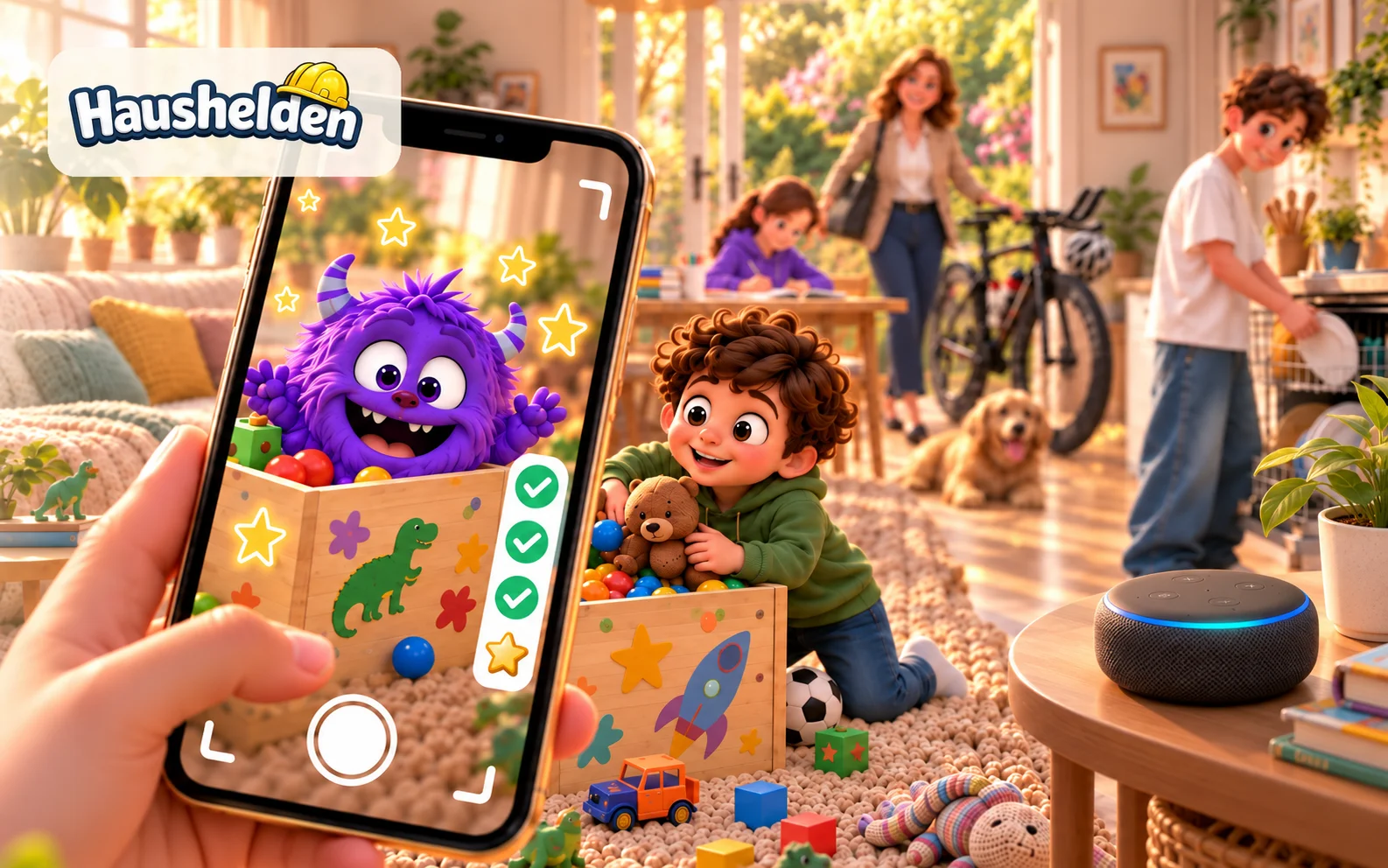
With the development of the Alexa app for Haushelden, I've taken a step further. The app is also only available to beta users, but it shows the potential to enhance convenience while being fun. This parallel development is an exciting advancement.
 AI
Despite the hurdles, the next move is clear: I'm working on solving the technical issues without compromising privacy. The Alexa app offers a way to increase convenience while gathering important insights for further development.
What remains uncertain is how quickly we can overcome the technical difficulties. Will the competition provide the boost we hope for, or will it further delay development? This uncertainty makes the situation intriguing.
Finding the balance between privacy and functionality is often difficult.
Have you ever faced similar technical constraints? How did you find the balance between innovation and privacy?