Gamification & learning
More respect for teachers – with gamification, SaaS strategy and smart AI prompts

 AI
AIWhen people build SaaS products for education, they usually think of students first: better grades, more motivating learning, nicer interfaces. What gets overlooked? Teachers are not just users — they are the multipliers at the centre of it all.
Reach them emotionally and you win more than customers. You win advocates.
What teachers really need today is more than a digital tool. It is respect.
Not only from society, but noticeably in the classroom, among colleagues, in the daily back and forth with students and parents. And that is exactly where gamification comes in.
Respect cannot be forced – but it can be designed
 AI
AIAnyone after respect in school tends to reach for the classic means: clear rules, an authoritative manner, strict consequences. But as guterunterricht.de argues convincingly, real respect does not come from pressure but from relationship, attitude and trust.
Plenty of teachers live that contradiction daily: they want calm and recognition, and in stressful moments they reach for control and punishment. The problem is that students respond to fear with withdrawal, resistance or outright refusal.
That is precisely where gamification offers an alternative.
Instead of earningrespect by cracking down harder, teachers can use smart game mechanics to build connection and encourage cooperation — and receive more respect quite naturally as a result. Not because they demand authority, but because they are seen as committed, inspiring guides.
Gamification stops being a gimmick and becomes a teaching stance: it creates voluntary participation, encourages responsibility and takes emotional weight off teachers — a genuine game changer for learning culture and productivity.
Gamification rethought: for teachers, not only for students
 AI
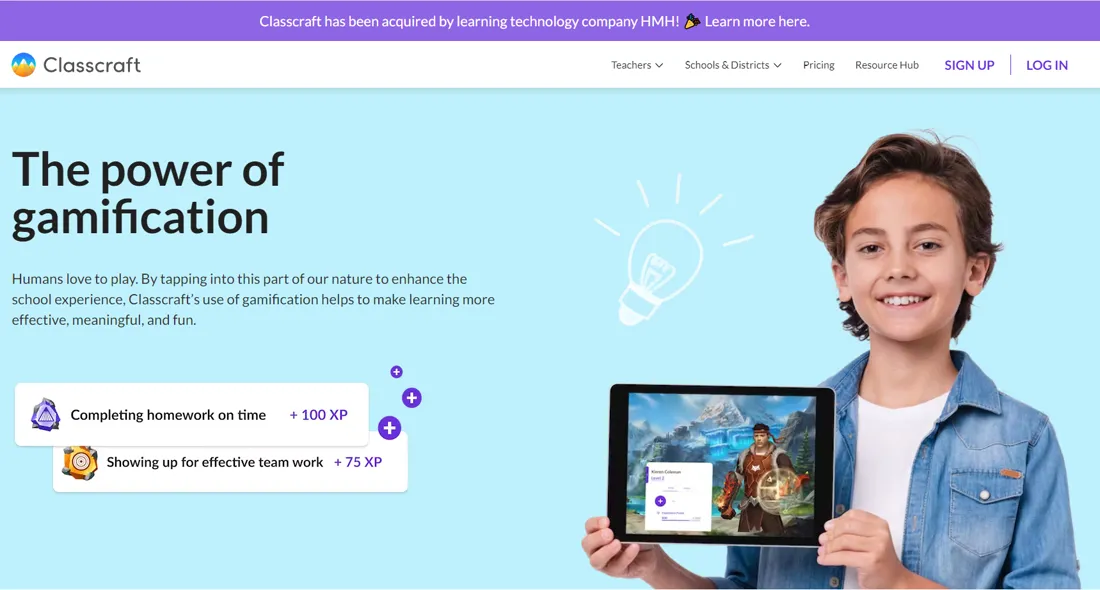
AIGamification often sounds like points, badges and virtual trophies. That falls short. What it actually means is psychologically sound game logic in non-game contexts. The SaaS product Classcraft shows impressively how that works.
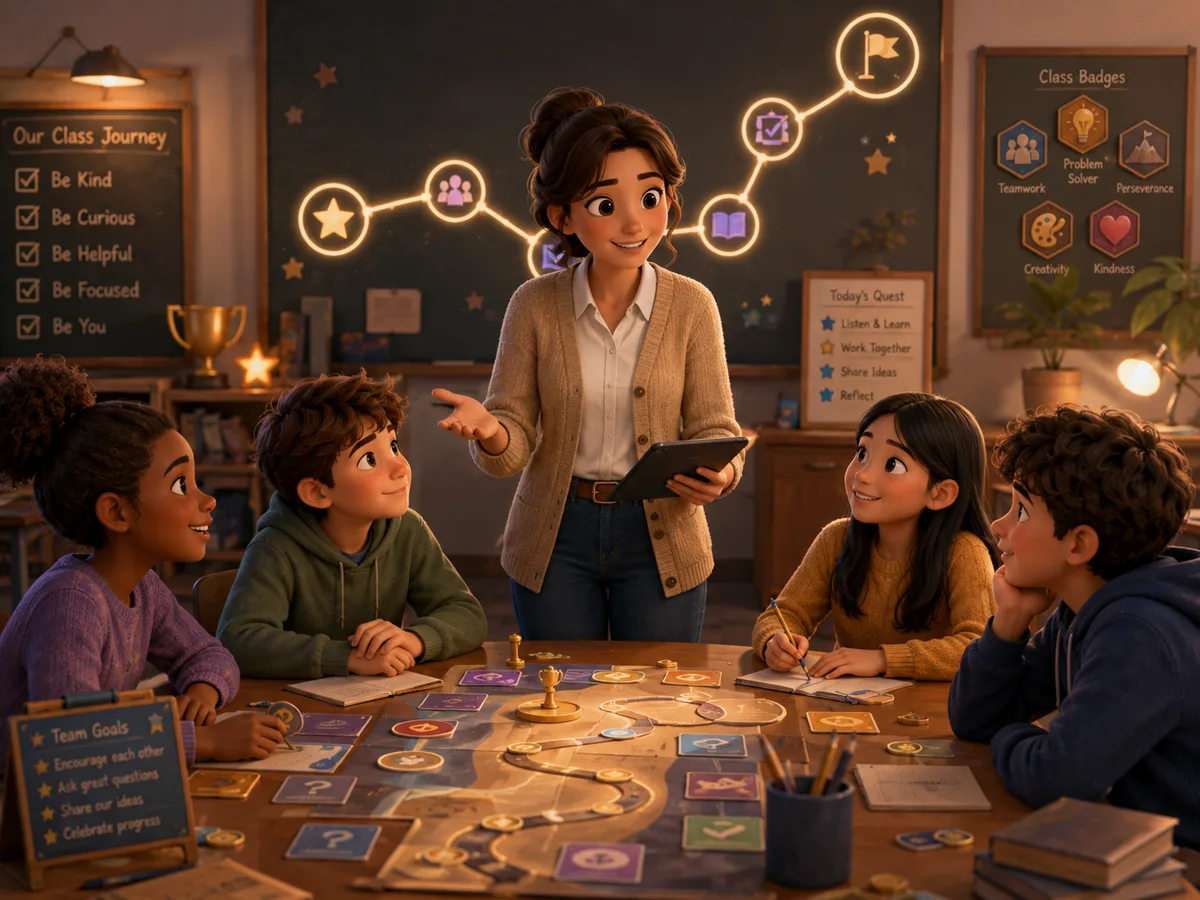
Rather than punishing students, teachers turn their lessons into an adventure game. Students are hero characters, rewarded for cooperation and commitment — not for obedience. The effects are striking:
- More motivated students with better grades
- Fewer parent meetings, because results improve
- More recognition for the teacher, because the teaching works
- A more positive self-image, which carries over into the staff room
Teachers even pay for that effect out of their own pocket — up to $120 a year. Why? Because the load noticeably lifts without them losing control.
A deeper purpose – as strategy
 AI
AIEdTech companies that concentrate on SaaS for teachers have an enormous opportunity: they can build more than technical solutions — they can enable genuine personal change.
Treating gamification as emotional design rather than a gimmick is smart positioning — particularly in a market where punishment and control are being questioned more and more.
Because respect cannot be decreed. But it can be made possible.
AI & prompt engineering: the new power of personalisation
 AI
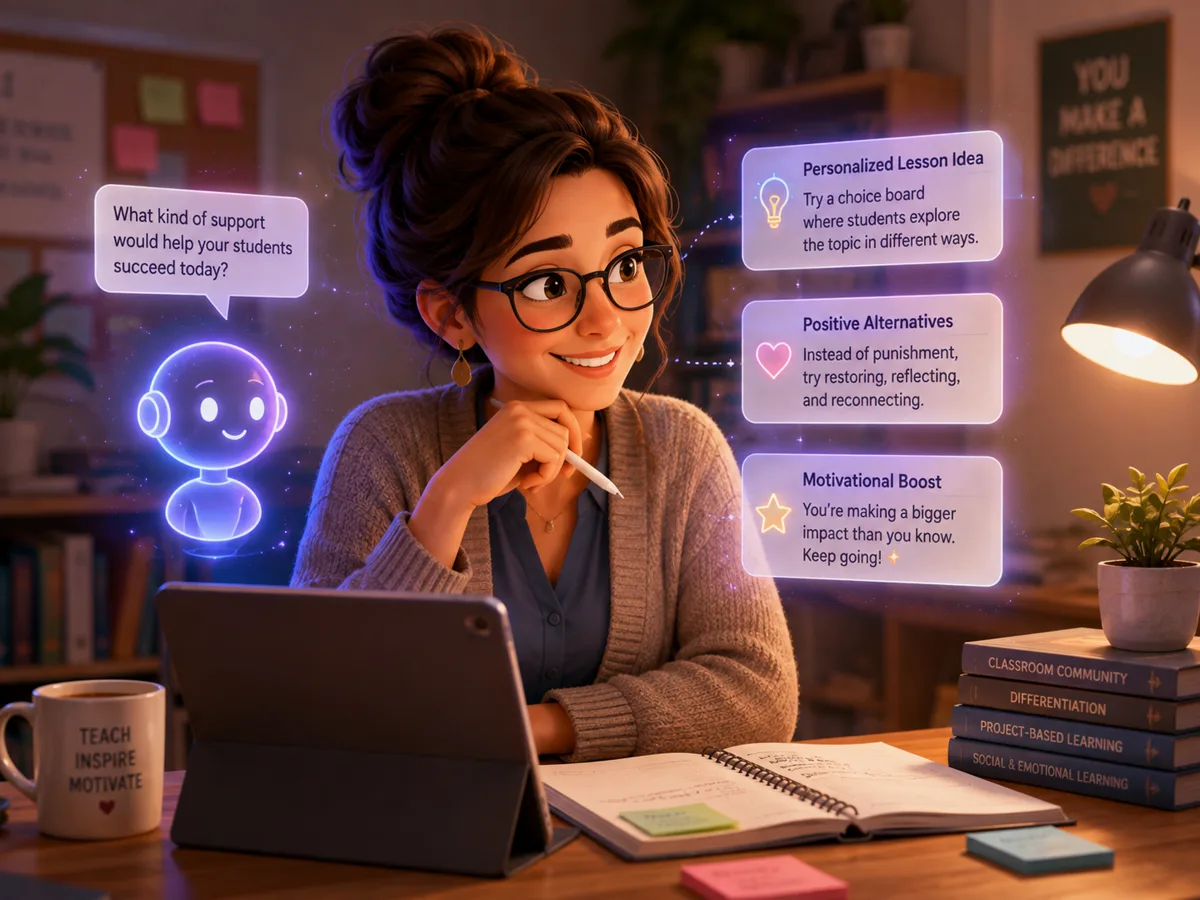
AIAnother game changer: artificial intelligence, and large language models such as ChatGPT in particular. With considered prompt engineering, an EdTech SaaS can have real effect today.
Want some examples?
- A prompt for more impact in the classroom:
„Give me three creative ways to teach photosynthesis using a game mechanic that encourages teamwork in the class.“ - A prompt for teachers' self-reflection:
„What would be positive alternatives to detention for giving students responsibility for their own behaviour?“ - A prompt for encouragement:
„Write an encouraging sentence for a teacher who felt today that she is not getting through to her class.“
Prompts like these are not a technical question — they are a leadership instrument. Built sensibly into a platform, they give teachers a kind of emotional co-pilot.
In closing: teacher-centred SaaS products have a future – if they think deeper
The education market does not need another tool with checklists and quiz questions. What it needs is genuine resonance — for students, and above all for teachers.
A SaaS product that helps teachers experience more respect — through more playful approaches, through AI coaching, through real relief in daily work — does more than fill a gap in the market.
It fulfils a vision.
Your task today:
If you are building a new EdTech product, ask yourself:
What would happen if your product did more than convey knowledge — if it changed people?