Product & growth
Which incubator or accelerator programme for which tech founder in 2026?

Germany has over 100 active programmes. Most of them do not fit you. Here is how to find the right one.
There is one question almost every tech founder asks at some point: should I apply to an accelerator?
The more honest follow-up question is: to which one, though?
Anyone working through the landscape of German incubators and accelerators soon runs into a problem: most of them describe themselves with the same three words. Mentoring. Network. Community. That does not help.
What does help is understanding what a programme gives you that you cannot get for yourself. Capital is less often the decisive factor than people think.
If you want to search all 60+ programmes yourself and filter by type, sector and location, the full interactive analysis is here: luciankatzbach.de/en/german-incubators
The most important insight first: it is not about the money
€25,000 in starting capital sounds good. But 5G test networks (Telekom/Hubraum), rail data including immediate pilot-customer status (DB mindbox) or €1.3 million of TV advertising (Seven Accelerator) are structurally more valuable to most startups than the same amount in cash.
The real value of a programme lies in access to something you cannot buy outside it. Whoever understands that takes better decisions.
A second point many underestimate: many of the best programmes in Germany take zero per cent equity. UnternehmerTUM, TechFounders, Master Accelerator, Microsoft for Startups, Cyberlab, EXIST — none of them take a share.
Anyone giving away 6–10 per cent of their company early should know very precisely what they get for it.
Ten scenarios — and which programme fits each one
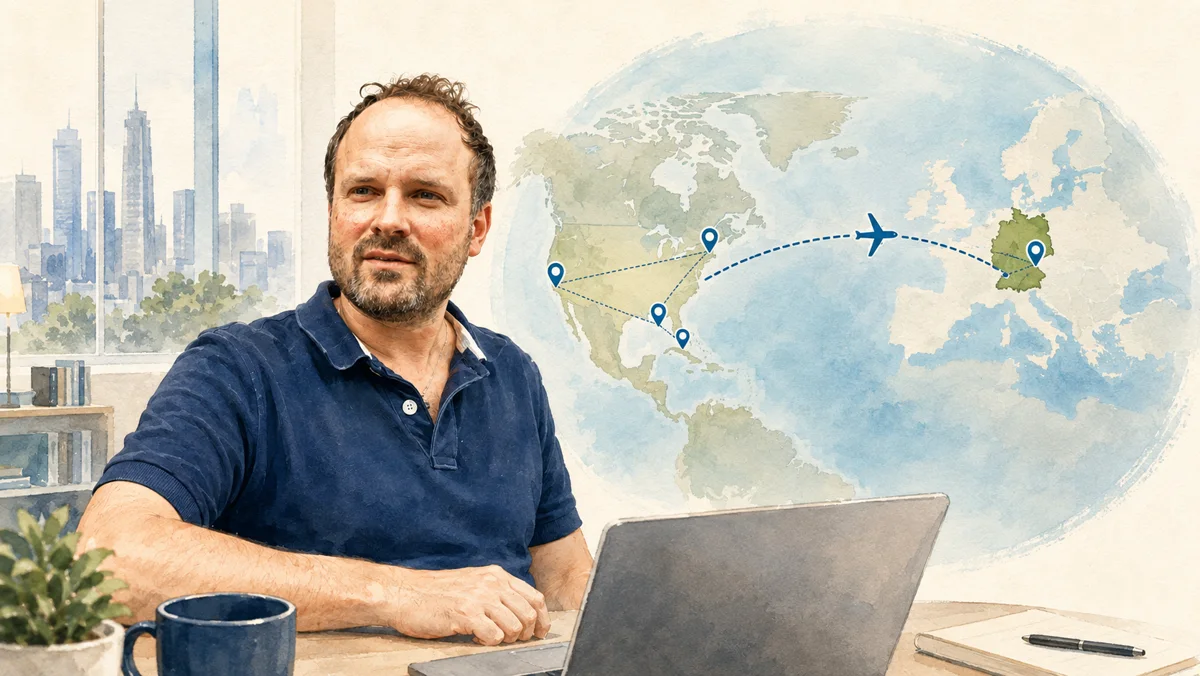
1. You want to expand into the USA
 AI
AIGerman Accelerator is the only state-funded programme with physical offices in Silicon Valley, New York, Boston and Singapore. Run by Start2 Group GmbH, financed by the BMWK.
No equity, free of charge, tailored support. Since 2012 more than 290 startups have taken part, with more than 4.9 billion dollars of follow-on funding.
If you also want a Bavarian programme with a US component: the GO! Accelerator Bayern (Bavarian Ministry of Economic Affairs) includes a three-month module in Silicon Valley — likewise free of charge, likewise no equity.
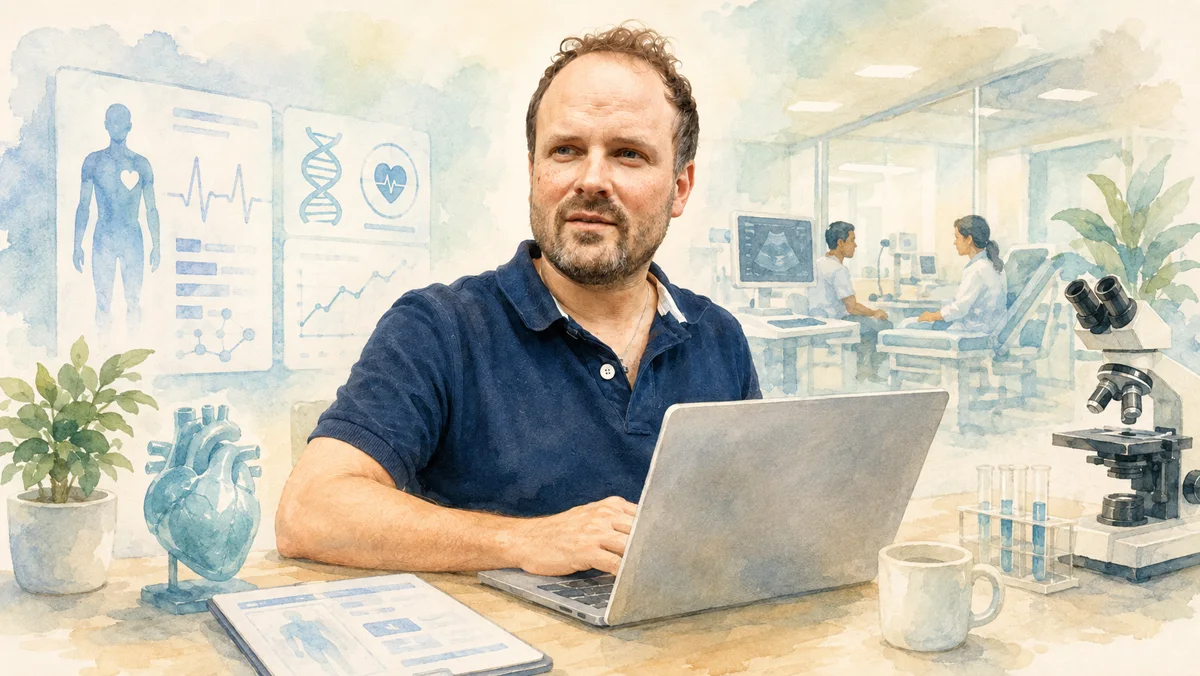
2. You are building a HealthTech or MedTech startup
 AI
AIThere are three fundamentally different routes here, and they do not substitute for one another.
The BIH Digital Health Accelerator is the only programme with a direct link to the Charité — with real patient access, an integrated ethics committee and clinical studies as part of the programme rather than an afterthought.
The 4C Accelerator in Tübingen (Medical Innovations Incubator) trains the four hurdles that regularly finish MedTech startups off: commercialisation, certification, clinical studies and copyright. It is the only programme that treats CE approval as a core subject.
Bayer G4A is no longer a classic batch programme but, since 2022, a global digital-health partner network with growth and advance tracks. If you want a direct line to the Bayer product pipeline and to clinical data, this is the place.
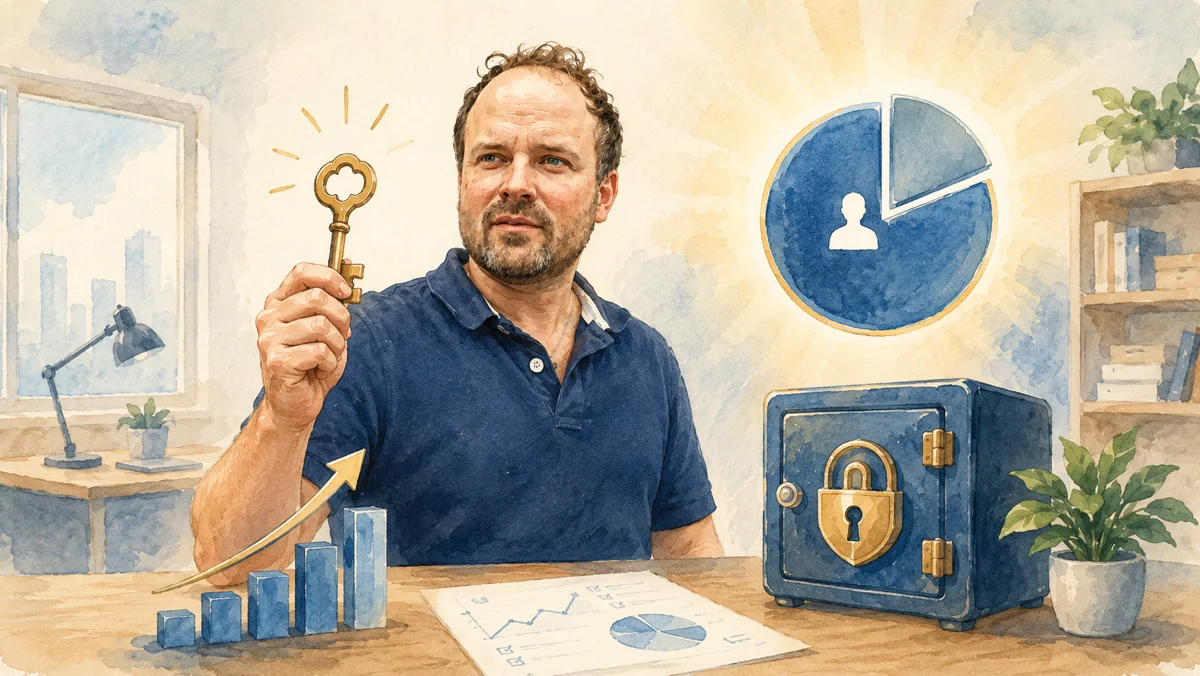
3. You do not want to give up equity
 AI
AIThat is not a sign of naivety — in many cases it is the right decision. The strongest programmes that take no share:
UnternehmerTUM / XPRENEURS (Munich) is Europe's largest university innovation centre. 2 out of 3 startups get VC funding afterwards. A MakerSpace with industrial high-tech machines included.
TechFounders (also UnternehmerTUM) is a 20-week programme with a concrete aim: every startup should have won DATEV, Aldi, Miele or ADAC as an investor or first customer by the end. No equity.
EXIST is the state scholarship for university founders: up to €3,000 a month (graded by qualification), up to €30,000 for material costs, €5,000 for coaching — entirely non-repayable, no equity.
4. You are a solo founder without a co-founder
 AI
AIAntler Berlin is the only programme in Germany that also takes single founders and actively puts them together with other founders into complementary teams. If you are technically strong and looking for a business co-founder, this is structurally the best place for you. The flip side: 10–12 per cent equity.
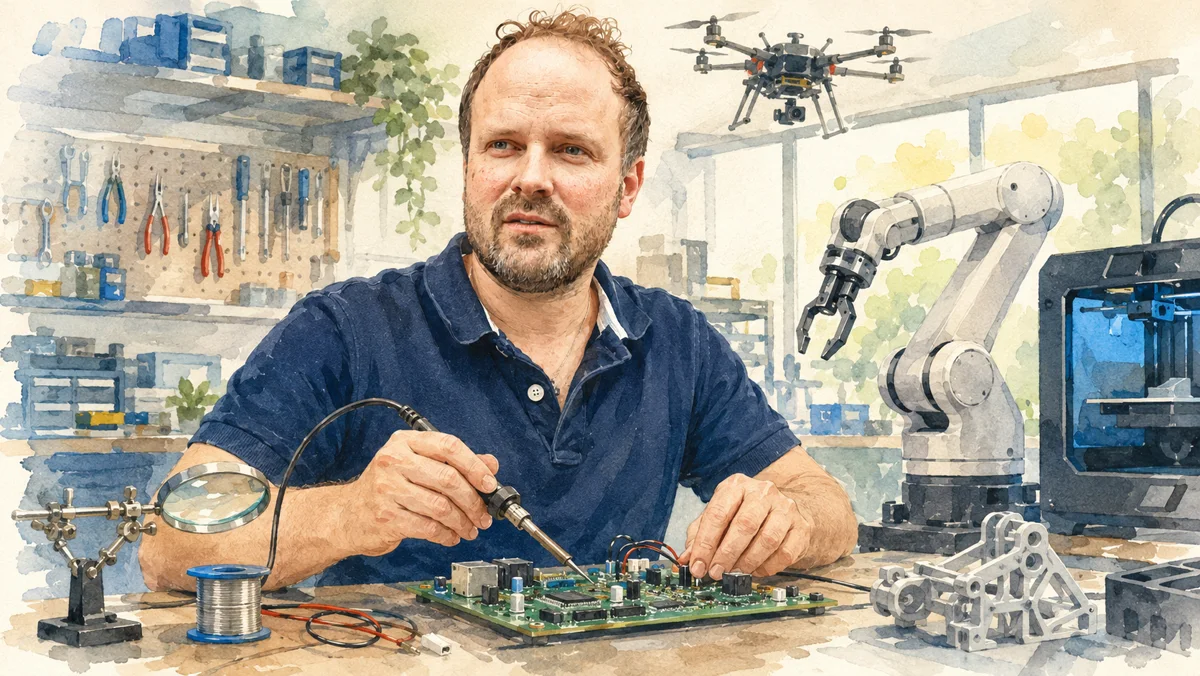
5. You are building deep tech or hardware
 AI
AIUnternehmerTUM is first choice here too — the MakerSpace with CNC mills, laser cutters and industrial production machines on the TUM campus in Garching is hard to replace for hardware startups.
For aerospace and defence: Airbus BizLab Hamburg offers access to Airbus engineers, real test environments and the global aerospace supply chain — no equity.
For chemistry and new materials: BASF Chemovator in Ludwigshafen is the only chemistry incubator of its kind in Europe. Access to BASF laboratories, patents and the worldwide raw-materials network. A term of up to three years — for startups that need long development cycles.
6. You are building a B2B SaaS startup in mobility
 AI
AIDB mindbox gives you €25,000, no equity, access to Deutsche Bahn infrastructure data and immediate pilot-customer status in Germany's largest mobility network. The programme runs 100 days and is structurally unique: you work with real rail data, not with dummy accounts.
For broader mobility access with a focus on OEM pilots: STARTUP AUTOBAHN (Stuttgart) brings startups together with Mercedes-Benz, Porsche, Bosch, ZF and Schaeffler directly over 6 months. The programme goal is not a demo day — it is a production-ready pilot project. No equity.
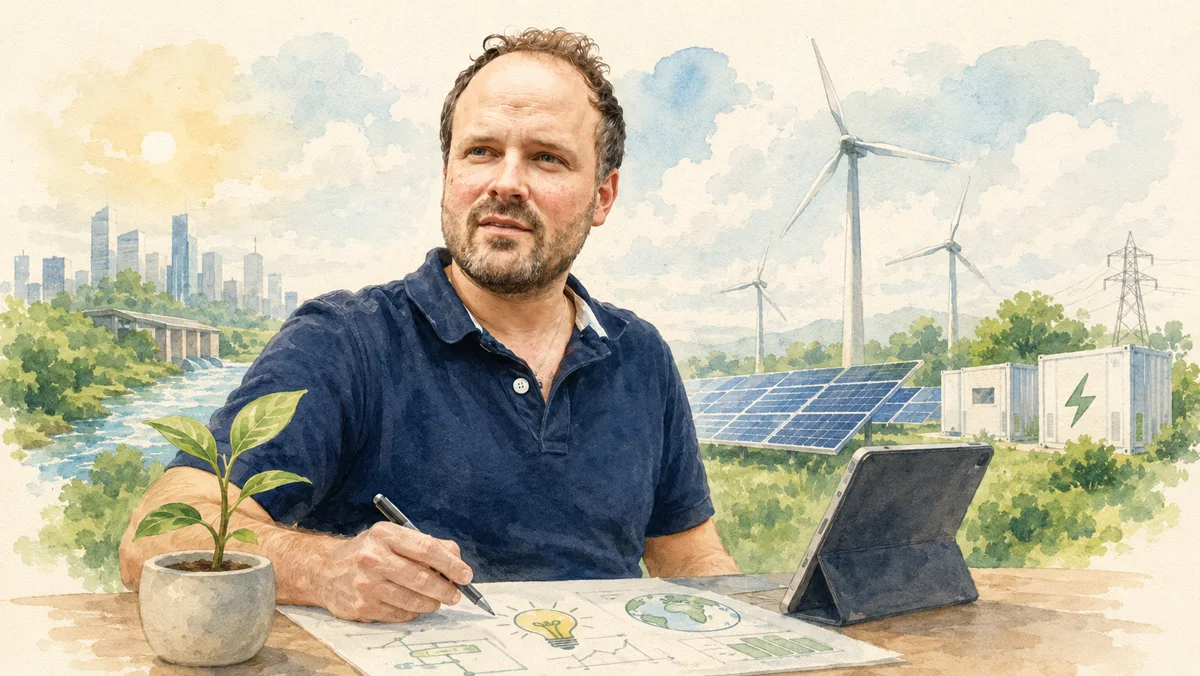
7. You are building CleanTech or GreenTech
 AI
AIKraftwerk Accelerator in Bremen is, at 14 months, Germany's longest accelerator programme — with a monthly payment per team member (€1,500). For CleanTech startups with longer development cycles than typical SaaS ventures.
EON agile Accelerator (Düsseldorf/Berlin) is structurally interesting: it supports internal employee ideas and external startups at the same time — which means access to a real energy corporate and its infrastructure partners.
Climate-KIC on the EUREF campus in Berlin opens EU climate-protection funding networks that stay closed to ordinary startups.
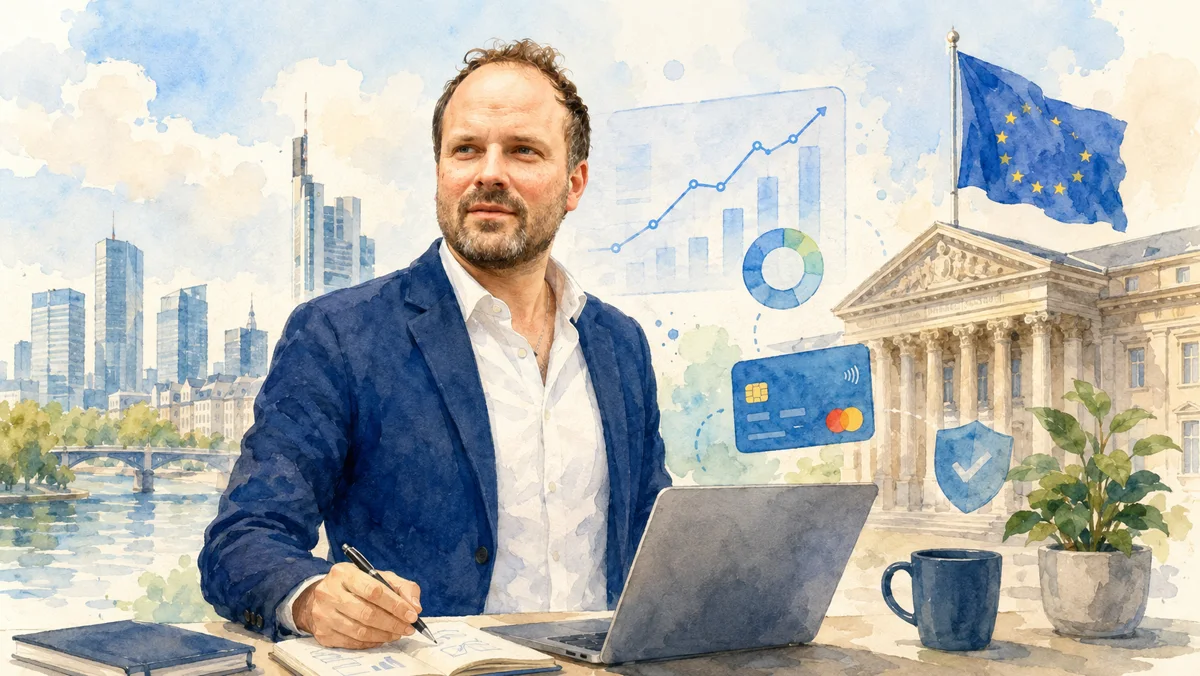
8. You are building a FinTech, or want to be in the European financial centre
 AI
AITechQuartier Frankfurt is the only hub sitting right in the heart of the European financial centre. The TQ Accelerator: Digital Finance (applications once a year) is fully funded, no equity, with KPMG, ING, Visa, EY and Helaba as partners. In 2025, 15 international startups were admitted.
Neosfer (formerly Main Incubator, Commerzbank) is the early-stage investor of the Commerzbank group — with direct access to one of the largest networks of Mittelstand customers in Germany.
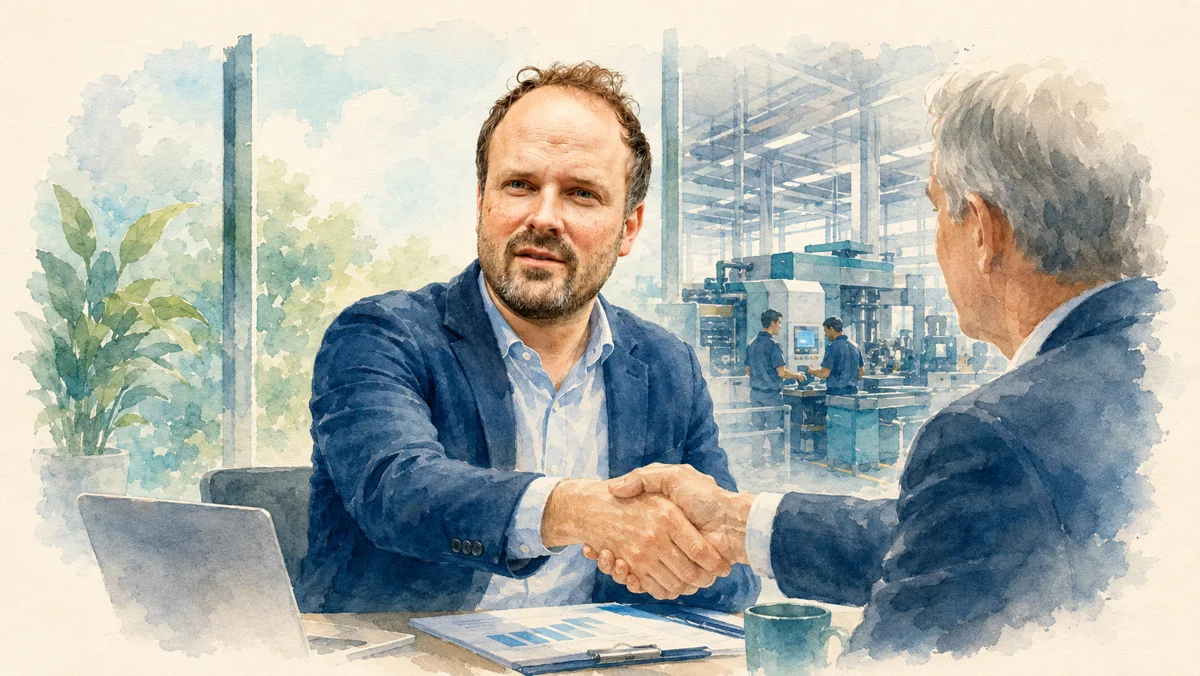
9. You want to win the German Mittelstand as customers
 AI
AIThis is a strategically underrated category.
Founders Foundation (Bielefeld) is a non-profit subsidiary of the Bertelsmann Stiftung: no equity, no capital, but direct access to hidden champions and world market leaders in the heart of the German Mittelstand (OWL). The only B2B tech programme in Ostwestfalen-Lippe.
TechFounders (Munich) has the same focus with more concrete target partners.
Plug and Play München connects startups directly with Generali, Versicherungskammer Bayern, SAP and MediaMarktSaturn without taking equity — with the pilot project as the stated programme goal, not the demo day.
10. You are an impact startup with an SDG focus
 AI
AISocial Impact Lab is active at four German locations (Berlin, Hamburg, Frankfurt, Munich), takes no equity and opens funding pots from foundations and EU programmes that ordinary startups cannot reach.
Climate-KIC and Batch 0510 round out this area — with the difference that Climate-KIC is explicitly aimed at EU climate funding.
Three programmes that rarely show up on the radar
HTGF / High-Tech Gründerfonds (Bonn) is Germany's most active seed investor: 800+ startups funded, 200+ exits, over 3 billion euros of fund volume. From February 2026 the HTGF also integrates the DeepTech & Climate Fund — the first continuous state-and-private VC platform from seed to scale in Germany.
For technology startups under three years old, the first address for initial funding.
ZOLLHOF (Nuremberg) has been one of the ten EXIST Startup Factories nationwide since July 2025 — with €30 million in mobilised funds, its own VC fund (ZOHO.VC) and a direct link to the FAU. The only programme at this level in northern Bavaria. If you are founding in the Nuremberg metropolitan region, start here.
Music WorX (Hamburg) is Europe's only state-funded MusicTech incubator: €9,500 in funding, €1,500 a month for living costs, no equity, a pitch at the Reeperbahn Festival. For founders at the intersection of music and technology there is no better programme in Germany.
The five questions to ask yourself before you apply
1. What do you get that you cannot buy for yourself? Capital you can get in many ways. Access to 5G test networks, rail data, pharma pipelines or automotive OEMs you cannot. That is the decisive filter.
2. Does the industry partner match your actual customer profile? An automotive corporate is no use to you if your customer is a hospital operator. Corporate accelerators have an interest of their own — which can be an advantage (an immediate pilot partner) or a disadvantage (limited independence).
Both scenarios are legitimate, as long as you know what you are getting into.
3. How early are you? Some programmes (EXIST, Master Accelerator) take you without a product. Others (TechQuartier Digital Finance, Bayer G4A) require proven product-market fit. Most lie somewhere in between — read the admission criteria carefully.
4. How much time does the programme really cost you? An intensive programme over 13 weeks means 13 weeks not working on your product. That can be the right trade-off — or the wrong one.
Incubators with long-term support (UnternehmerTUM, BASF Chemovator, ZOLLHOF) disturb your rhythm less.
5. What does the application itself cost you? Application effort is real time. Focus on programmes where the fit is obvious — not on programmes you would first have to make yourself fit.
In closing
The German incubator and accelerator landscape is rich. But it is also hard to survey, and many programmes look more alike from the outside than they are.
The best accelerator is not the one with the most resonant name, the most capital or the largest alumni network. It is the one that opens the access you cannot get on your own, in your concrete situation.
And sometimes the result of this analysis is: no programme at all — at least not now.
That is a legitimate decision too.
This article rests on a systematic analysis of more than 60 active German incubators and accelerators (as of mid-2026). All the programmes named were checked for current activity. The full, filterable database is available at luciankatzbach.de/en/german-incubators.