Product & growth
Which international incubator or accelerator programme for which tech founder in 2026?

Nine countries that genuinely matter to tech founders beyond Germany and the USA. Some programmes are more generous than anything you know. Others ask a price that does not even exist in Germany.
For the German market I have already broken down systematically which incubator or accelerator programme fits which tech founder. For the USA came the parallel analysis. The question that has come up second most often since: and what if I want to found neither in Germany nor in the USA?
The honest answer: the nine countries that genuinely matter to tech founders outside these two markets — the UK, Israel, Singapore, Sweden, India, Turkey, Spain, the UAE and Canada — work by their own rules.
Anyone working through these nine ecosystems runs into the same basic problem as in the first two analyses, only with an extra variable: it is not only about what a programme gives you that you cannot get for yourself.
It is also about the currency you pay in — and that differs from country to country.
If you want to search all the programmes researched here yourself and filter by country, type, sector and equity model, the full interactive database is at luciankatzbach.de/en/international-incubators.
The most important insight first: outside the USA and Germany you pay in a different currency
In Germany you rarely pay with equity, because a large share of the best programmes take none. In the USA you pay with equity, but usually in clearly stated 6 to 9 per cent.
Internationally it gets more interesting. The Gulf states almost pay you — Hub71 in Abu Dhabi and most Dubai programmes take no shares but invest in visas, housing and direct government access instead.
The price you pay there is being tied to the location: you actually have to be on the ground to take the value out.
Singapore and the UK, by contrast, ask openly for equity — Antler takes almost identically structured 10 per cent for around $150,000 in both markets, and in Sweden too. That is remarkable, because it is one of the few genuinely globally standardised term sheets I found in this research.
And in countries like Turkey or India the real price is often not capital or equity but time: many of the strongest programmes there are university incubators or association networks that take no money but offer no fixed structure either — you have to work out for yourself what you make of it.
Anyone founding internationally should ask not only what a programme costs but in what form it costs. Capital, equity, time and physical presence are four different bills — and most founders only check the first.
Ten scenarios — and which programme in which country fits each one
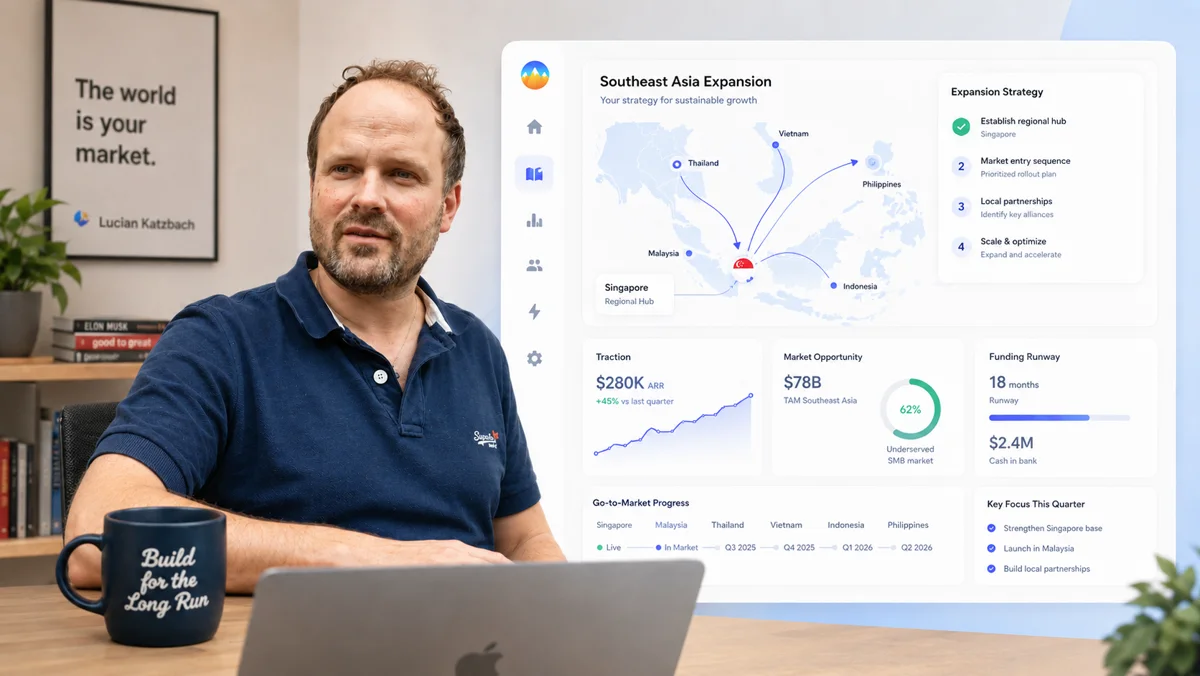
1. You want to bring your product to South-East Asia
 AI
AIAntler Singapore is the most structured way in: $150,000 for 10 per cent, plus an uncapped SAFE for a further $50,000 and up to $250,000 of matching capital in the next round. Along with a stipend during the six-week residency.
No other programme in this list sets out its terms so openly and so traceably.
If you already have traction and are looking for a lead investor rather than a company builder: Surge from Sequoia Capital India & SEA is, with more than 200 startups funded, the most selective but also the best-connected programme in the region.
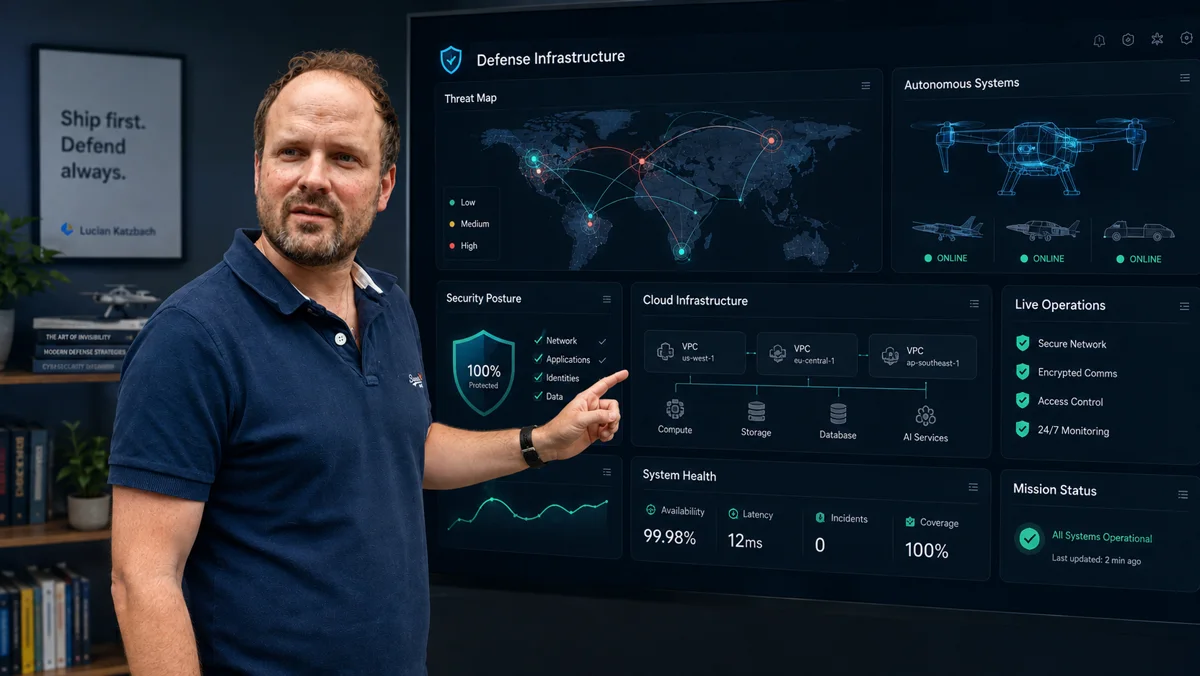
2. You are building cybersecurity, defence tech or deep tech with dual-use potential
 AI
AIIsrael has no serious alternative here. Drive TLV combines $250,000 in funding with a clear focus on autonomous systems and smart city — more than 400 alumni startups speak for themselves.
If you need cloud infrastructure and enterprise sales first instead: Microsoft ScaleUp Tel Aviv gives no capital but direct co-selling access through Microsoft's global sales network — without giving up any equity.
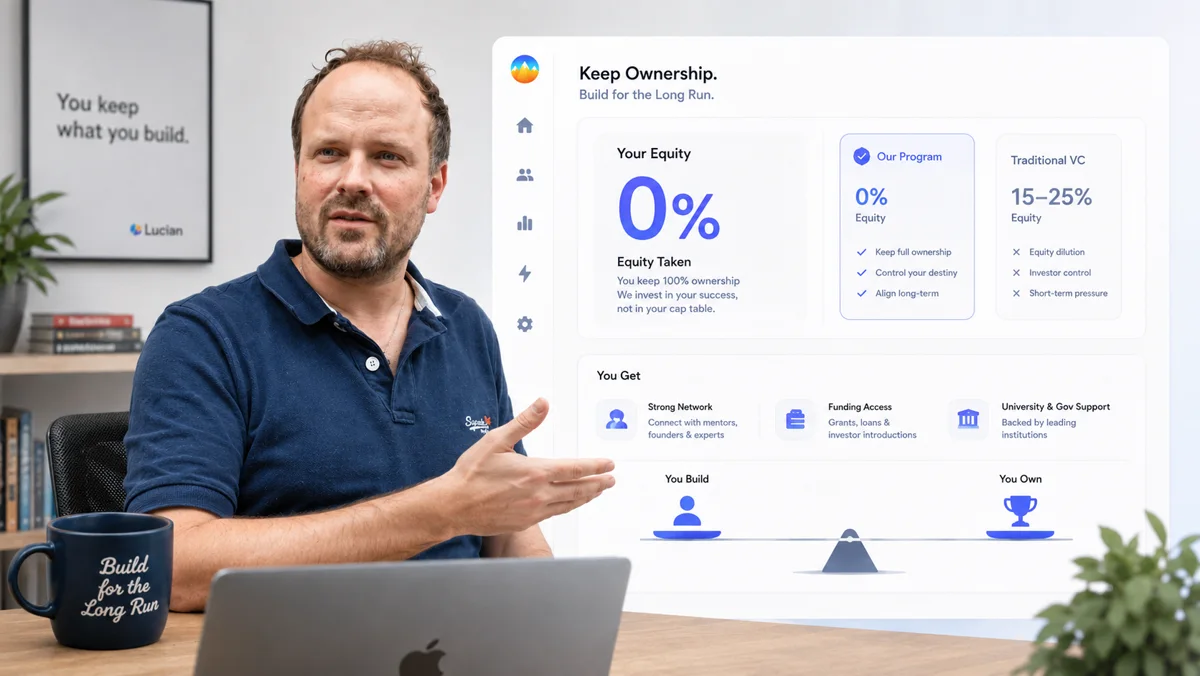
3. You do not want to give up equity
 AI
AIInternationally too this is not a fallback but in many cases the smarter calculation.
SETsquared in the UK, carried by six universities, has produced alumni with more than £5 billion in follow-on capital — entirely equity-free. KTH Innovation in Sweden and T-Hub in India work on the same principle: state or university backed, no share, and access to funding instead of direct investment.
In the UAE the equity-free variant is even the rule rather than the exception: Hub71, in5, Dubai Future Accelerators and DIFC FinTech Hive all do without classic shareholding deals.
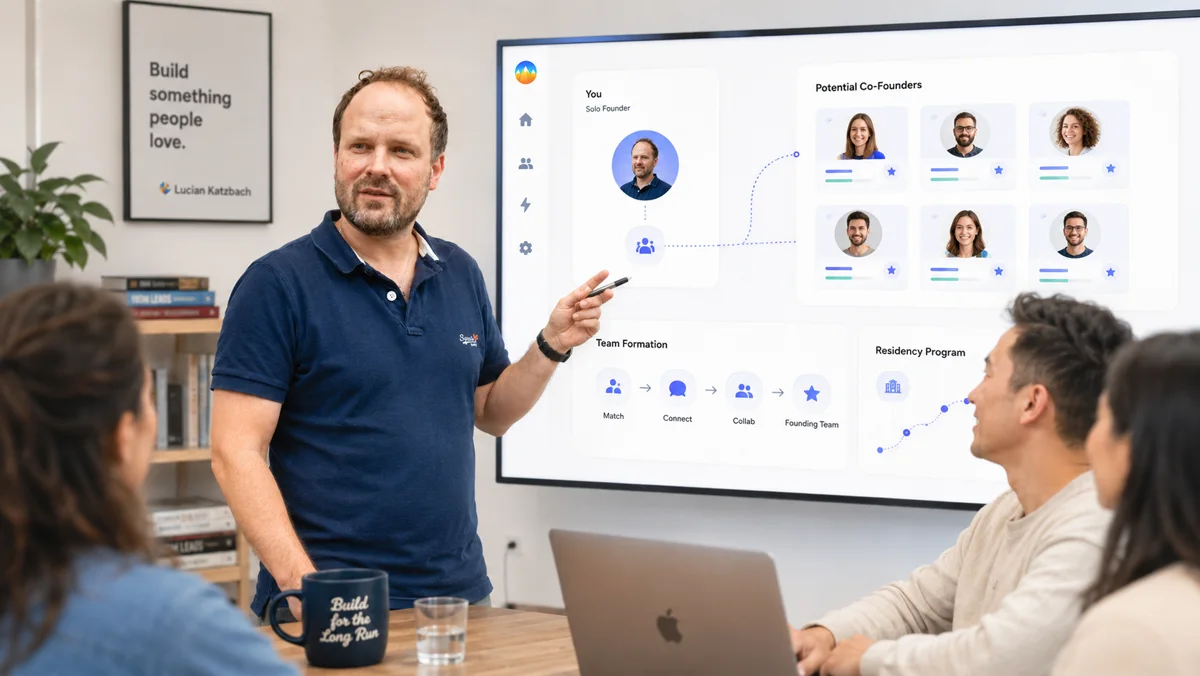
4. You are a solo founder without a co-founder
 AI
AIAntler runs its company-builder model almost identically in the UK, Singapore and Sweden — everywhere with active co-founder matching during the residency phase.
If in the UK you are still short of the actual idea: Entrepreneur First takes individuals with no team and no concept at all, a model that exists nowhere else in this list with such consistency.
5. You are building FinTech and want access to a global financial centre outside New York or Frankfurt
 AI
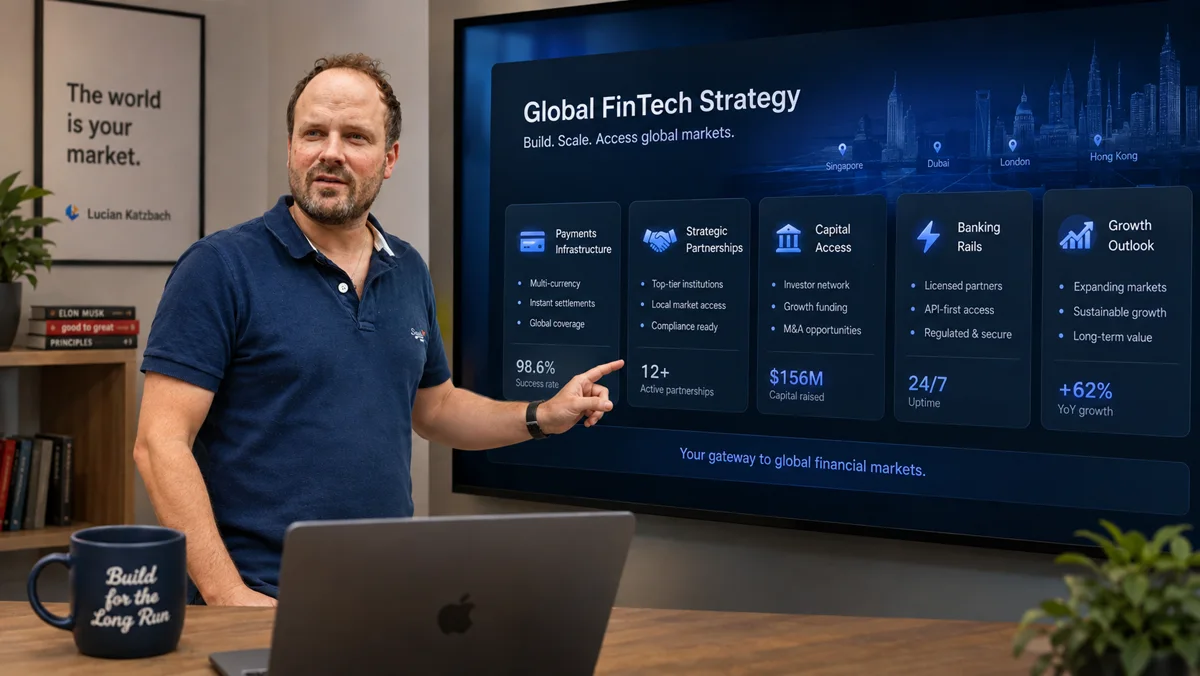
AIDIFC FinTech Hive in Dubai is the leading FinTech programme in the whole MENA region — without a standard investment, but with direct access to the big financial institutions of the Gulf.
If you want the European route via London instead: Seedcamp has six unicorns in its portfolio, among them Wise and Revolut, but acts more like an early lead investor than a classic accelerator — first cheques run from $350,000 to $1,000,000.
6. You want state funding without the bureaucracy of an EU programme
 AI
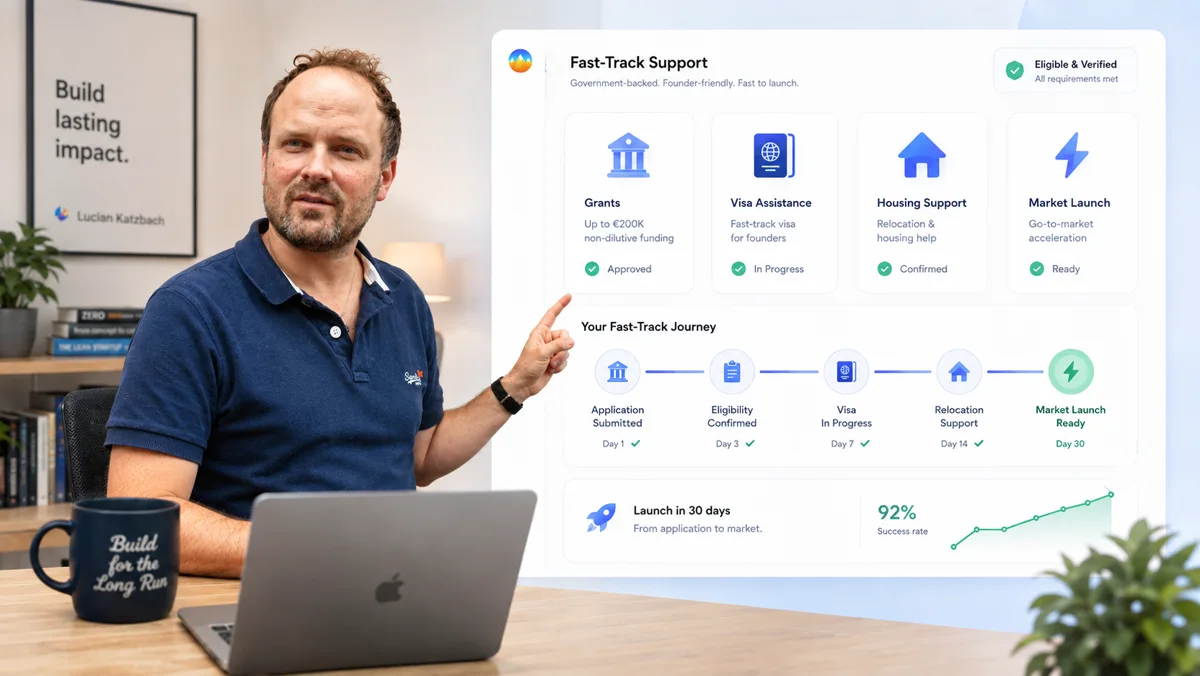
AIHub71 in Abu Dhabi is the clearest case: no equity in the core programme, but generous grants along with housing and visa subsidies.
The model is deliberately built for speed and aimed squarely at international founders who want to become operational quickly, not at people used to application procedures.
7. You are building CleanTech or climate tech
 AI
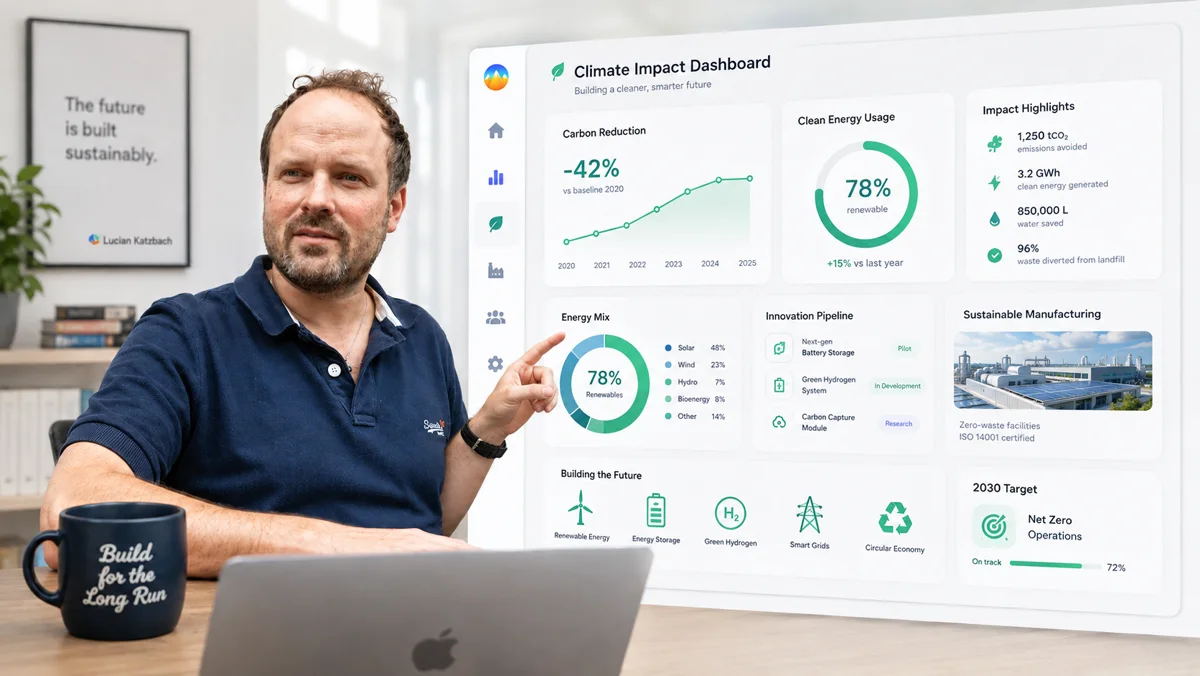
AIForesight Canada in Vancouver is Canada's largest CleanTech innovation platform, with a direct link to funding programmes.
If you also want state-backed industrial connections: Bind 4.0 in the Spanish Basque Country is the only state-financed Industry 4.0 programme in this list — equity-free, with a clear IoT and industry focus.
8. You want access to the Indian mass market
 AI
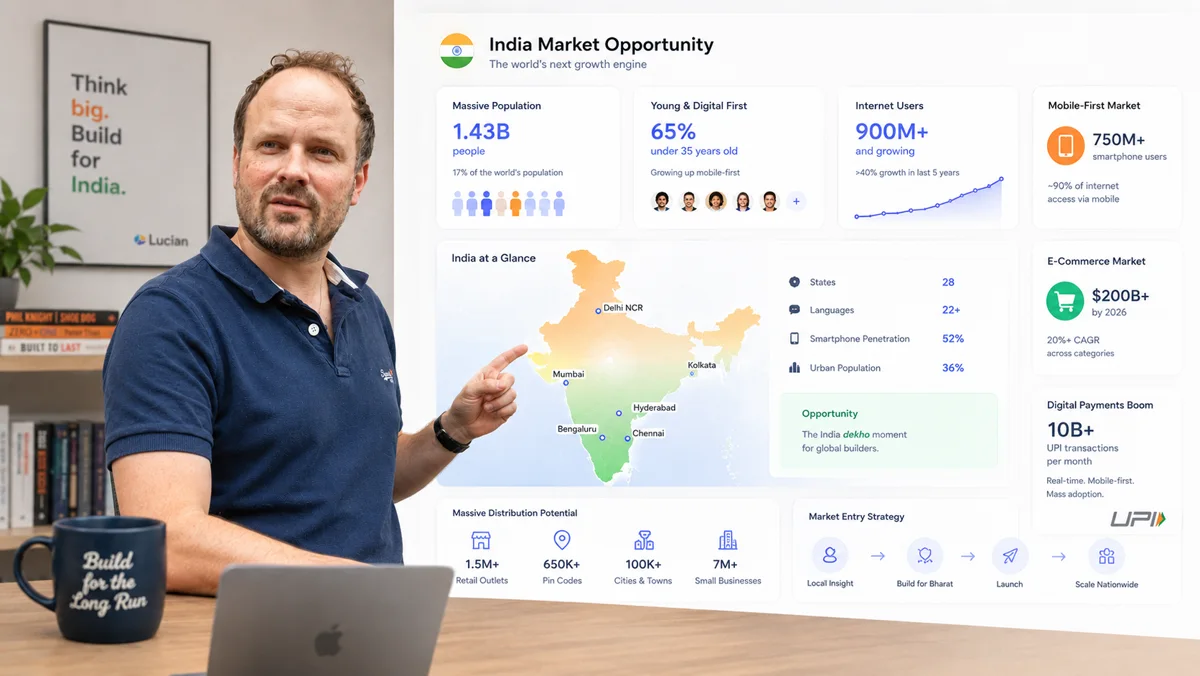
AIT-Hub in Hyderabad is India's largest state-academic incubator and a good starting point for understanding the market without giving up capital.
If you already have traction and are looking for serious capital: Sequoia Capital India & SEA through the Surge programme is the most selective but also the most influential address — and increasingly Y Combinator cohorts too, with a growing share of Indian founders, currently at $500,000 total investment for 7 per cent.
9. You are building deep tech close to a university and still want to scale internationally
 AI
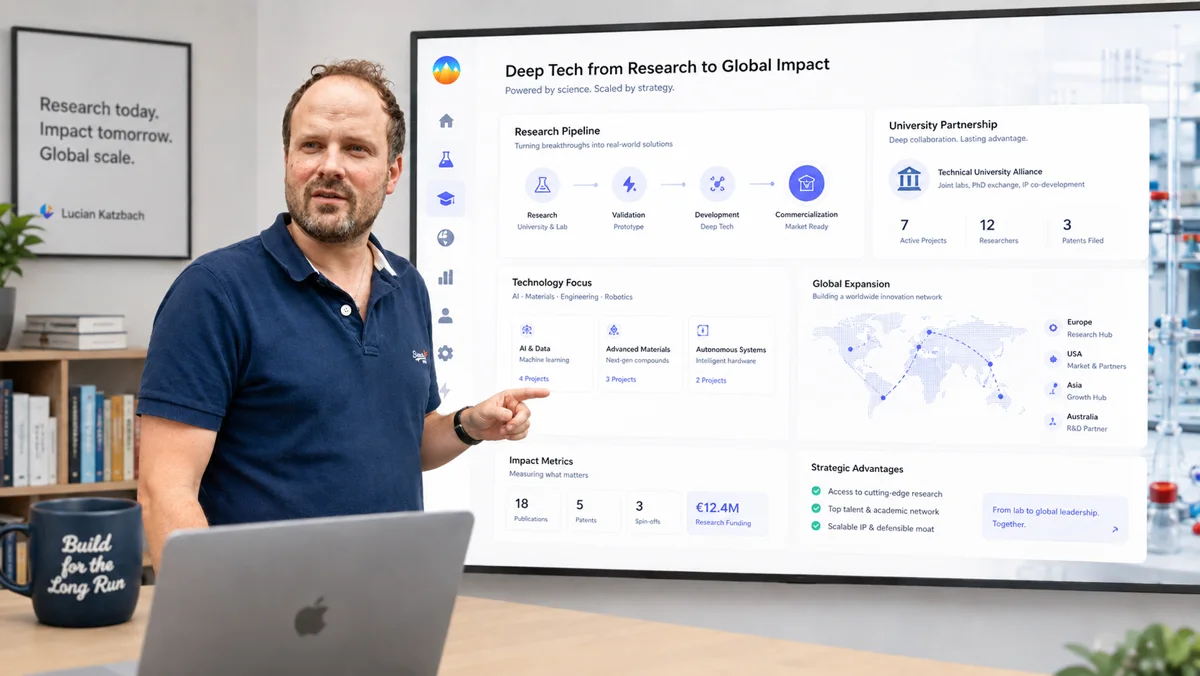
AICreative Destruction Lab in Toronto objectively has the most unusual model in this list: no standard equity, but a goal-oriented mentoring format with locations on several continents.
Chalmers Ventures in Gothenburg and SETsquared in the UK work similarly — research proximity first, the capital question later.
10. You want to found in a rising ecosystem with less competition for attention
 AI
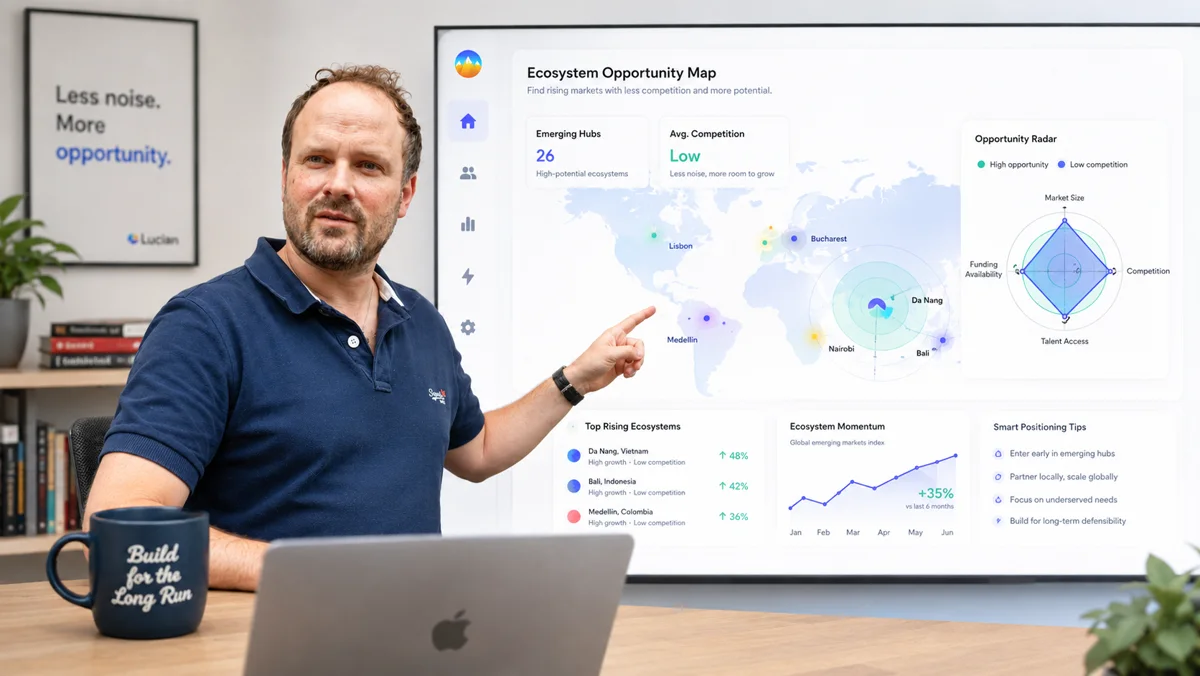
AILanzadera in Valencia is by a distance the largest Spanish accelerator, and Valencia itself one of the fastest-rising locations in Europe according to the current ranking.
In Turkey, Etohum is the oldest and most established programme, complemented by Endeavor Turkey, which selects for scaling potential rather than early stage — a model that does not exist in this form in Germany or the USA.
Three programmes that rarely show up on the radar
Dubai Future Accelerators has no direct equivalent in Germany or the USA: instead of a capital-for-equity deal you get a nine-week pilot project directly with a UAE government authority. No investment, no shareholding — but a reference customer you would otherwise have to earn over years.
Antler is not new as an individual programme, but the consistency of its global model is: nearly identical terms in the UK, Singapore and Sweden mean that as a founder you can choose the country by market access without renegotiating the capital question every time — a structural advantage neither the German nor the US landscape offers in this form.
DMZ in Toronto is regularly ranked internationally by UBI Global as one of the best university incubators in the world, yet is barely known outside Canada — a case where the reputation among specialists is considerably larger than the public visibility.
The five questions to ask yourself before you apply
- What do you get that you cannot buy for yourself? The filter from the first two analyses still applies — except that internationally "what you cannot buy for yourself" is often government access, a visa or a university network rather than a corporate pilot.
- Which currency do you really pay in? Capital, equity, time or physical presence — the four bills from this article. Before you sign, you should know which of them actually costs you something.
- Do you really have to be on the ground? Unlike many German programmes, almost every international programme named here demands real physical presence — sometimes for months. That touches visas, relocation and the question of whether your team will carry it.
- Does the country fit your target market, or only the programme name? A programme in Dubai is of little use if your target market is Europe. The geographical anchoring of an accelerator matters more internationally than in Germany, where many programmes aim at the EU single market anyway.
- Is the level of equity justified relative to the actual market access? 10 per cent at Antler is more than most top German programmes ask. The question is not whether that is a lot — it is. The question is whether the specific market access you would not get otherwise is worth that price to you.
In closing
With this article the trilogy closes: Germany, the USA, and now the nine countries that genuinely matter to tech founders beyond those two markets. The basic principle stays the same across all three analyses:
the best accelerator is not the one with the biggest cheque, the best-known name or the most generous equity rule. It is the one that opens the access you cannot get for yourself, in your concrete situation — at a price, in a currency, that you chose deliberately.
And here too: sometimes the result of this analysis is a country you would not have thought of. Sometimes it is no international programme at all, at least not now. That is a legitimate decision too.
This article rests on systematic research into 90 active incubators and accelerators in nine countries (as of mid-2026). The full, filterable international database is available at luciankatzbach.de/en/international-incubators.