Week 10: Breakthrough in Spatial Recognition

 AI
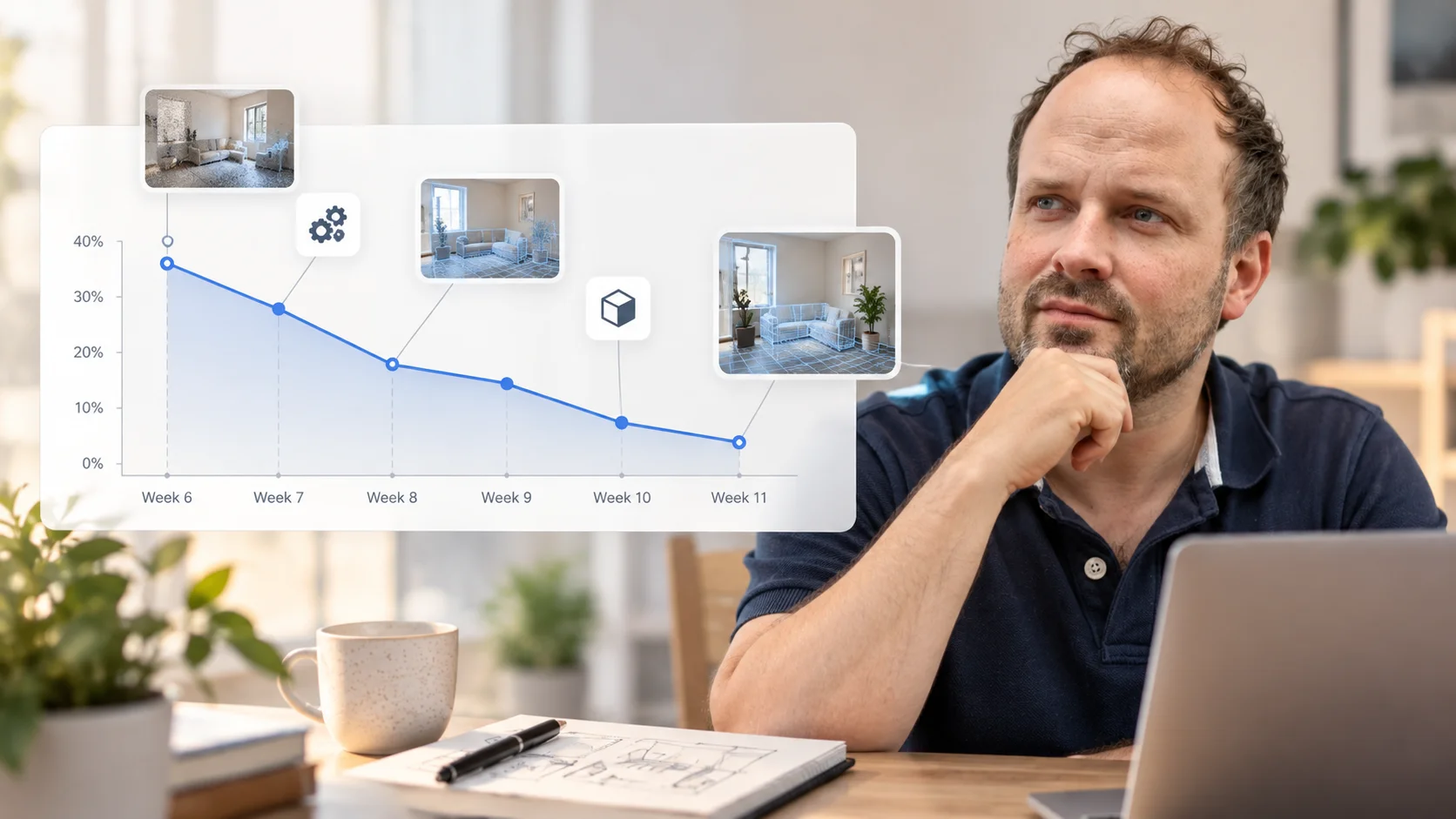
4 percent – that's the current error rate of spatial recognition at Haushelden. A significant leap, considering we were recently at 16 percent. And this, while the submission deadline for the competition is drawing ever closer.
Working on spatial recognition was a massive effort. For weeks, we tweaked algorithms, collected data, and systematically evaluated it. These improvements are not only a technical milestone but also an important step towards a better user experience.
Another important update is the right of participation for children. It may be uncommon in many families, but I consider it essential. This feature is now part of the app and aims to enhance the user experience. Giving children the feeling that they can influence their learning environment is a crucial factor for their motivation and engagement.
But not everything is running smoothly. The new space adventure is complete and voiced, but so far only in German. Other languages are only available in text form, which doesn't exactly enhance the international user experience. While we deliberately focused on the German market initially, internationalization is the next logical step.
The decision to voice the space adventure only in German was pragmatic. Our resources are limited, and we had to prioritize. But I wonder if this decision excludes potential users – a risk we need to address soon.
Now everything focuses on the AI chat – and that's a good thing.
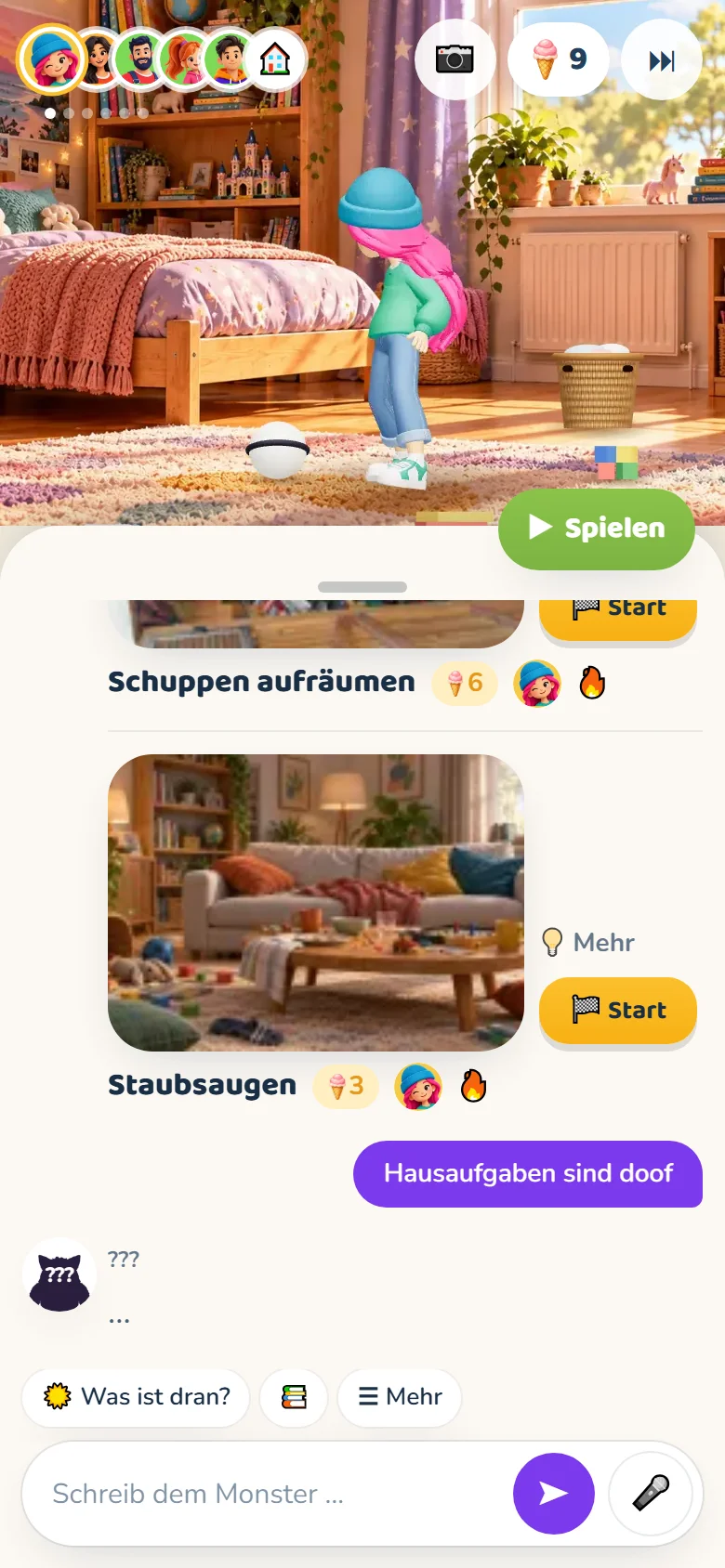
We have radically simplified the user interface. Everything now runs through the AI chat, making operation more intuitive. But how do users react to it? That's the big question we face.
Switching to the AI chat was a bold move. We wanted to make the app as easy to use as possible to lower the barrier for new users. But with every change comes uncertainty: Will users see and use the benefits? Or have we overlooked something essential?
- Error rate reduced from 16 to 4 percent
- Expanded children's participation rights
- Space adventure voiced only in German
The next steps are clear: We need to advance voicing in more languages and further optimize the user interface. But how will users react to these changes? That remains to be seen. Internationalization is a challenge we must tackle to avoid excluding potential users.
In addition to internationalization, we must also refine the technical aspects. The AI must work equally well in all languages, which means we need to focus on language models and cultural differences. This is no small task, but a necessary one to be truly successful globally.
What remains open? Whether the changes will bring the desired success is unclear. Will users embrace the innovations, or have we missed something? These questions occupy my mind. Introducing new features is always a risk, but also an opportunity to learn from mistakes and evolve.
The introduction of children's participation rights could be a turning point. It puts the needs of young users at the forefront and could help us make the app even more attractive. But the question remains whether parents will welcome this change or be skeptical.
If you face a similar challenge: How do you handle the language barrier? Is it an obstacle or an opportunity for you? These questions occupy us as we plan the next steps. The language barrier can be both a hurdle and an opportunity to stand out.
In conclusion, the question remains how we will overcome these challenges. The coming weeks will be crucial to see if our measures are effective and if we are on the right track. The competition is around the corner, and we want to be ready to face the challenges ahead.