Product & growth
Forget hiring: how buying a startup gets your product to market faster

 AI
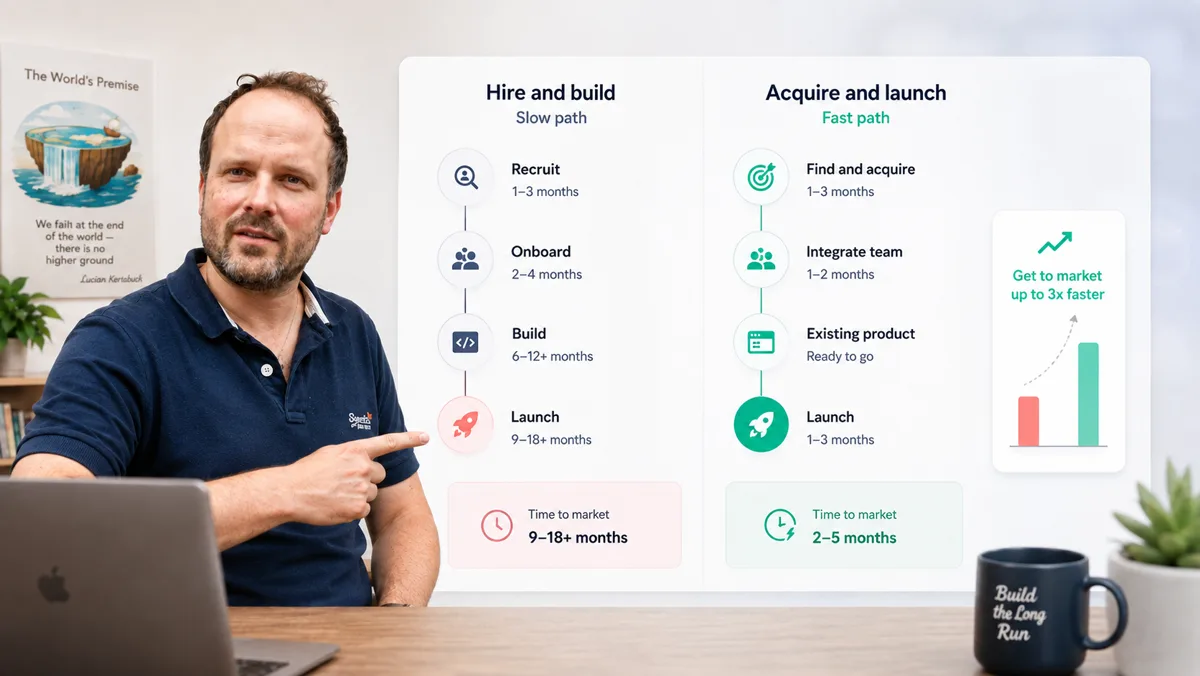
AIPlenty of companies dream of pushing into new digital markets — but building a product team with real punch costs time, money and, above all, nerves. Anyone who wants to start quickly needs more than a good idea: a working team, a market-ready prototype — or a trick.
The lever almost nobody pulls: buying a company instead of building a team
 AI
AI- Good software teams do not grow on trees.
- Productivity does not arrive on day one — it arrives after months of onboarding.
- And what if your CDO does not have the team together for another year?
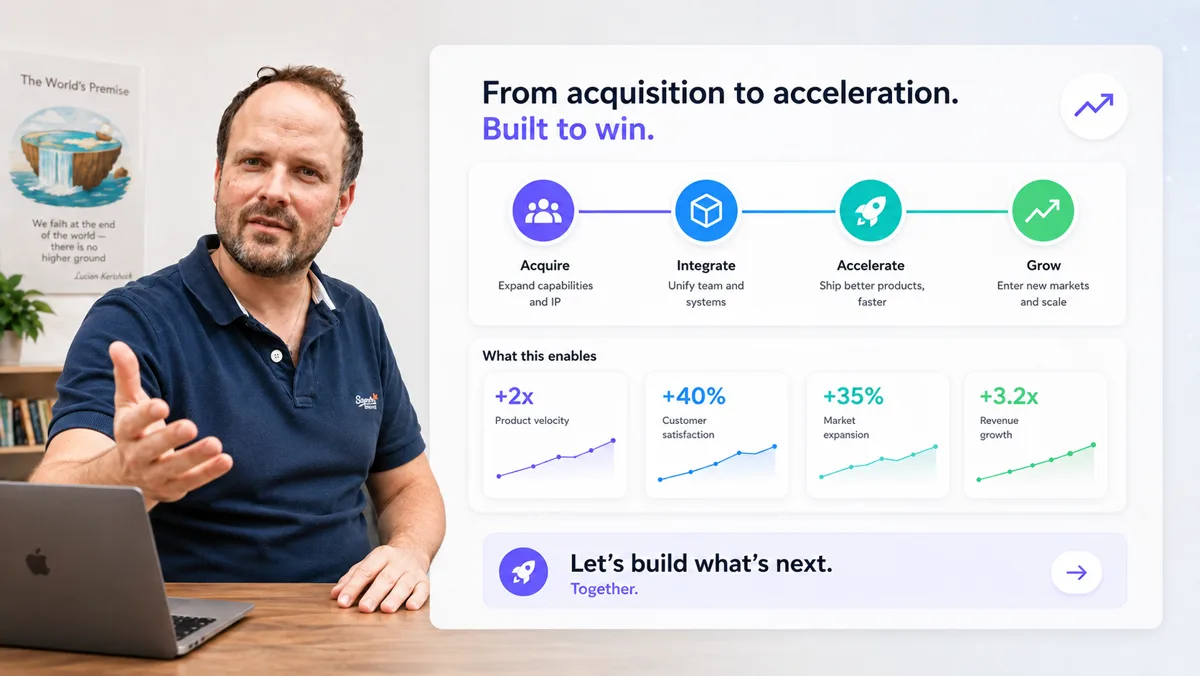
Buying a startup can be the shortcut to:
- getting to market faster,
- taking on knowledge that already exists,
- realising genuine synergies — not just on paper.
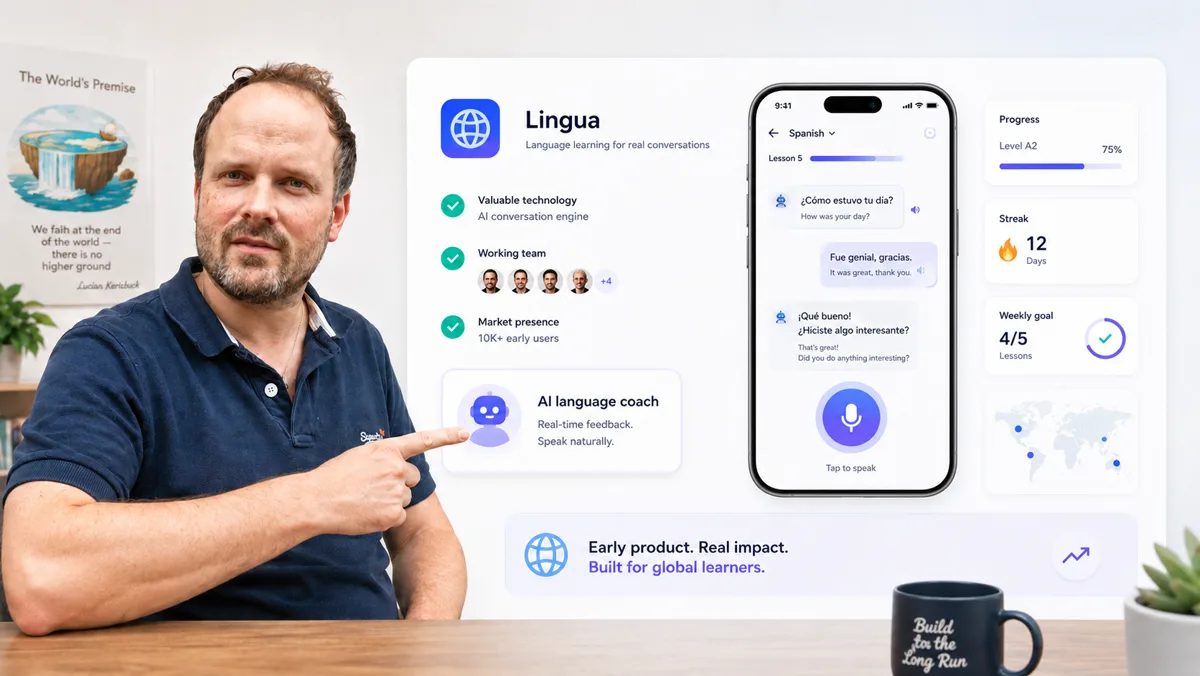
Example: a language-learning app as a strategic asset
 AI
AIGranted: the product is at an early stage. The UX and the teaching approach both have room to grow. But that is exactly what makes praktika.ai interesting for an established EdTech company:
- The technology is there: voice-based AI dialogue is technically demanding, and Praktika has already built it.
- The team is there: the engineers are productively working on an innovative core problem.
- The product is in the market: gaps and all, the entry is done. What it needs now is experience in teaching design and scaling.
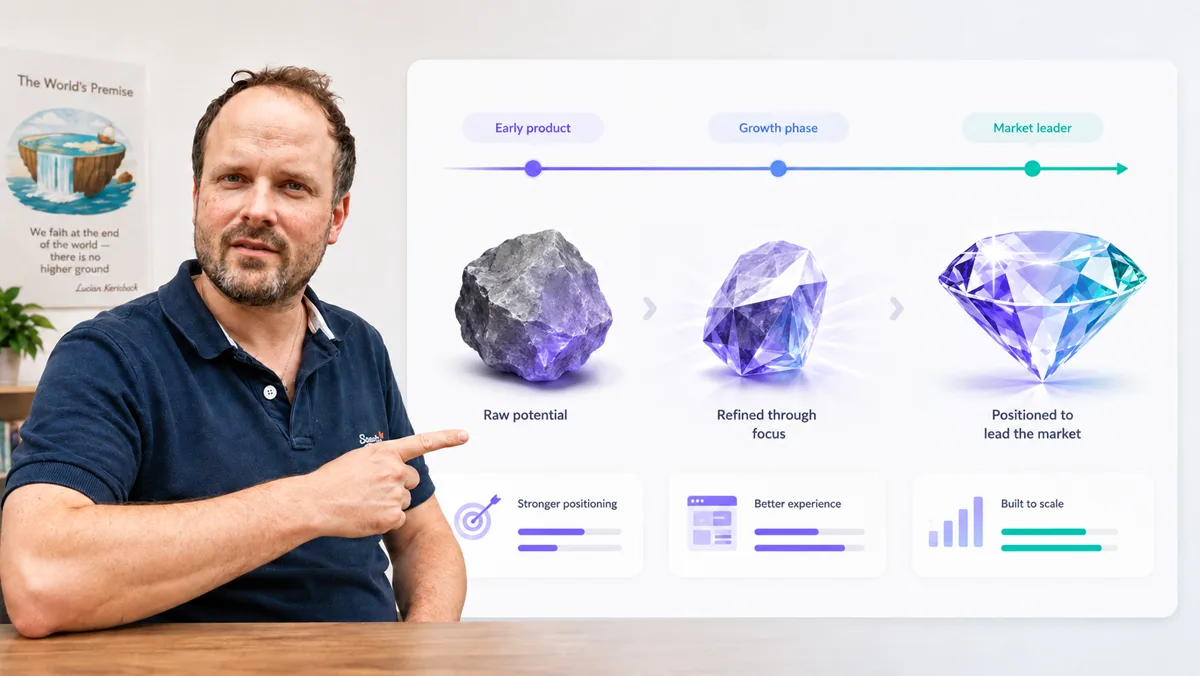
This is not a finished product — it is a valuable rough diamond that the right resources can quickly cut into a market leader.
 AI
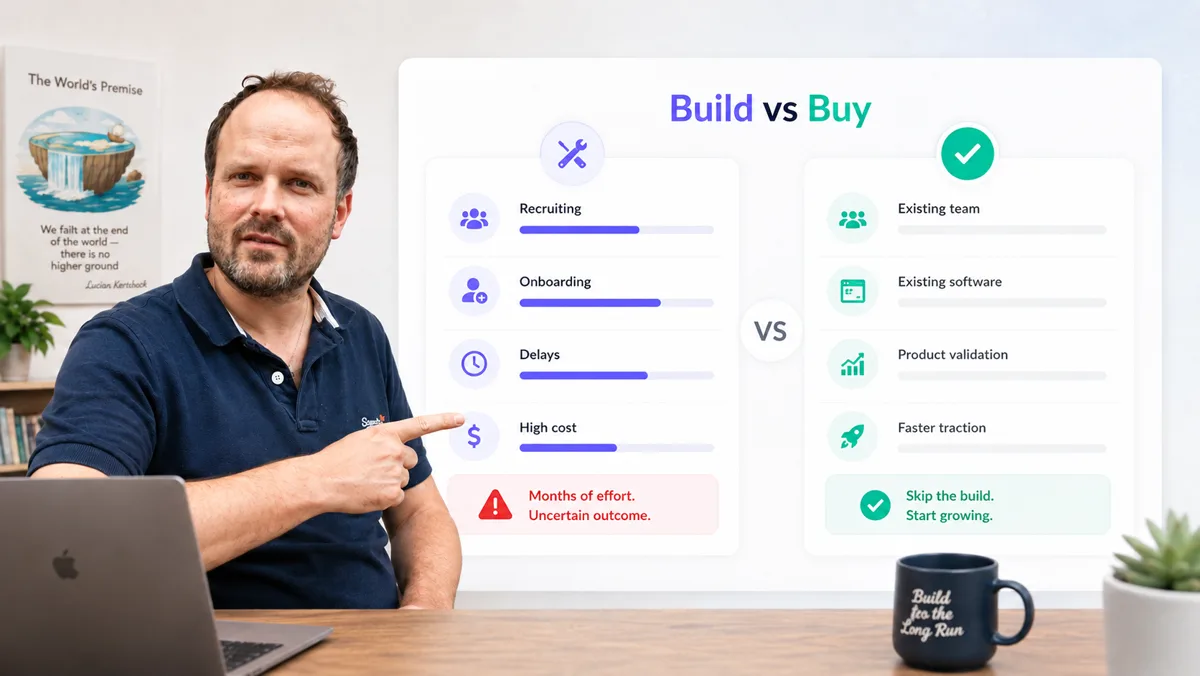
AIWhy build it yourself when you could buy it?
 AI
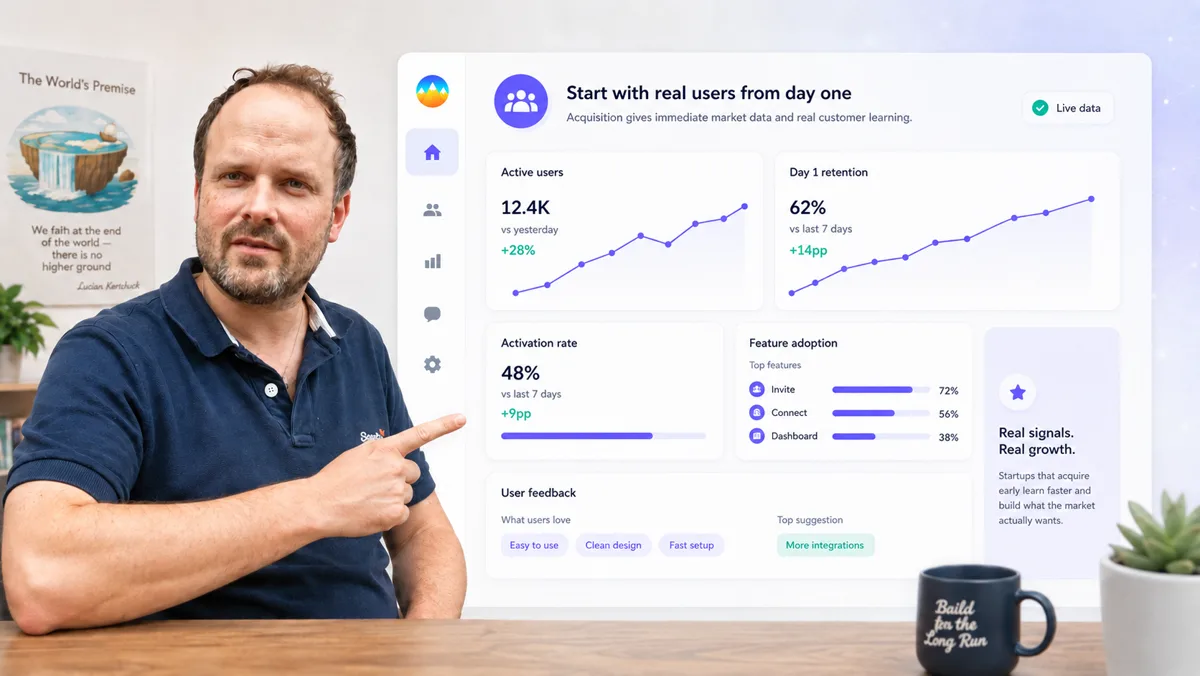
AIBuying a startup saves you exactly that phase. You take on a working team that has already learned how to work together. You get a product with real market feedback. And you can work with real user data from day one.
 AI
AIA bonus: many of these startups are excellent at technology but weak on positioning, UX or teaching design. That is precisely where your own expertise adds value.
Three exercises to get your own thinking going:
 AI
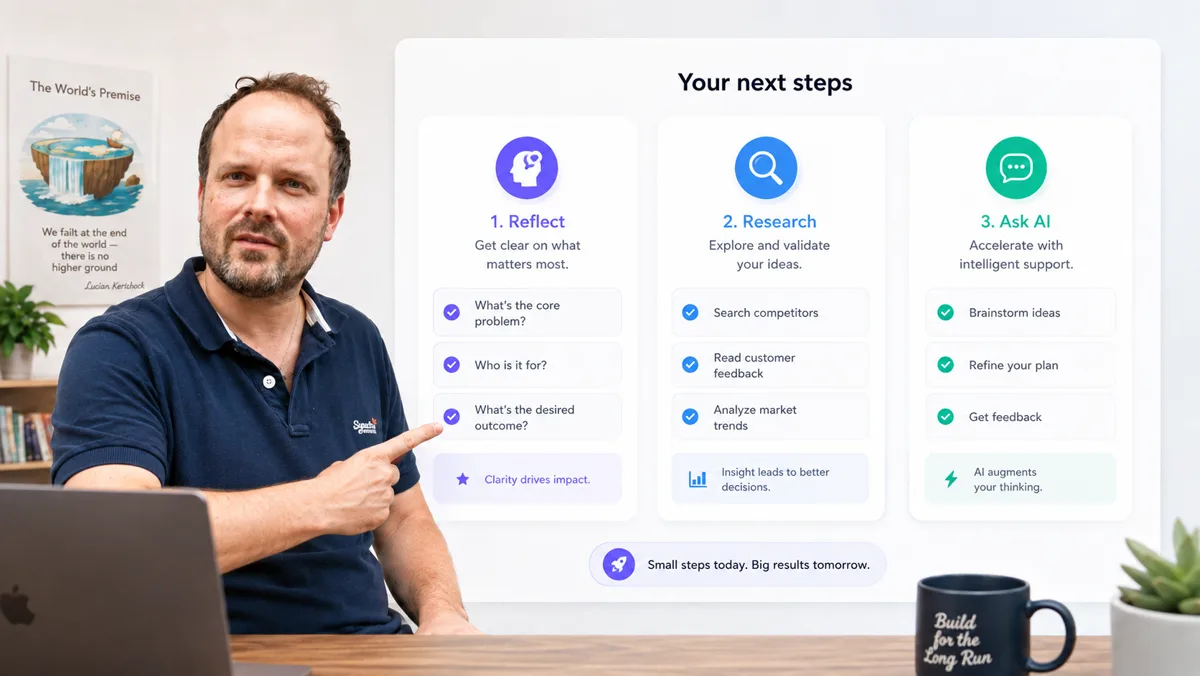
AI- Reflect: what would a startup have to bring for buying it to be faster and more efficient than building your own team?
- Research task: search the App Store (iOS or Google Play) for an app that could fit your portfolio and is clearly not a corporate product. How would you develop it further?
- Use AI as a sparring partner: ask ChatGPT with this prompt:
An EdTech example: "Which EdTech startups with a language-learning app are currently at an early market stage but show potential for fast growth if they partnered with an experienced company?"
Add your own focus to the question — audience, language, learning context. Then talk through with ChatGPT what an integration could look like.
 AI
AI