Team & agility
From burnt-out team lead to a leader whose team achieves the impossible

 AI
AIWhy your team is not performing — and how you change that systematically
Many team leads stumble into the same trap:
they believe leadership means above all being nice.
They think a harmonious team automatically produces good results.
But often the opposite is the case.
Because harmony without direction leads to mediocrity.
And mediocrity is poison — especially in agile teams that have to work with complexity, resource bottlenecks and constant change.
What successful leaders do differently
 AI
AIAnd they know:
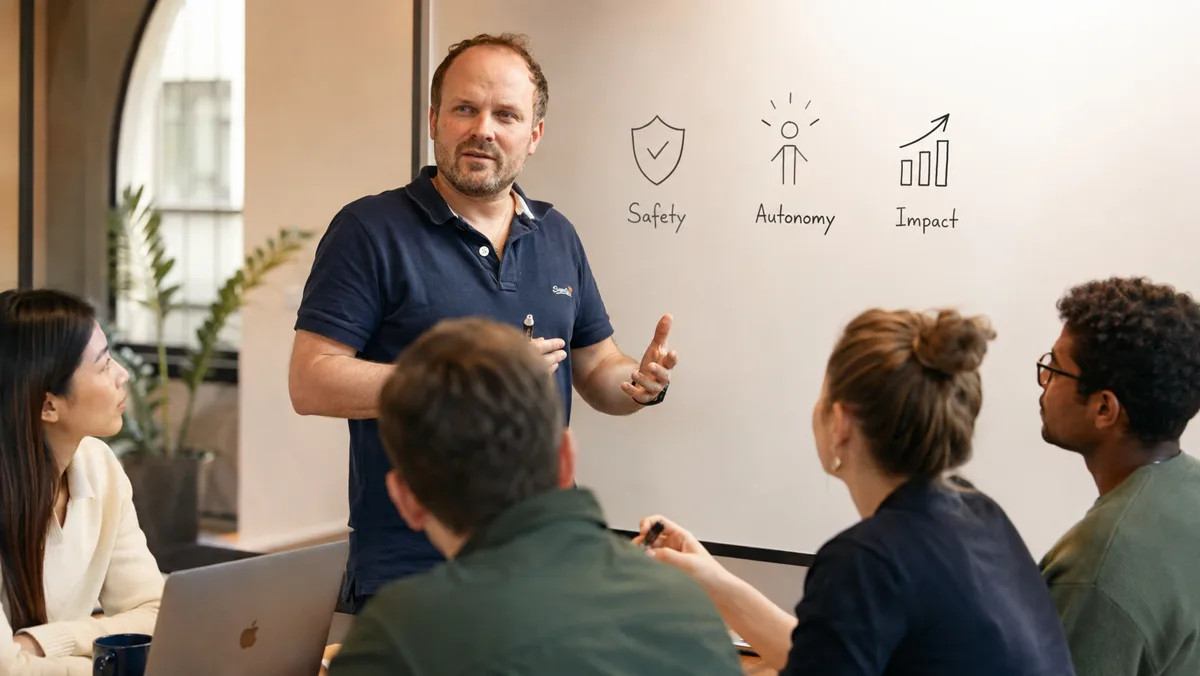
team performance is no accident. It grows out of deliberate work on needs.
The foundation: psychological safety & autonomy
Teams need psychological safety — the feeling of being able to speak openly without having to fear negative consequences.
But they also need autonomy — the chance to take sensible decisions on their own.
When one of these basic needs is permanently violated, frustration or passivity follows.
Motivation and ownership only arise when teams experience that they have an effect.
The Hooked model in a team context
 AI
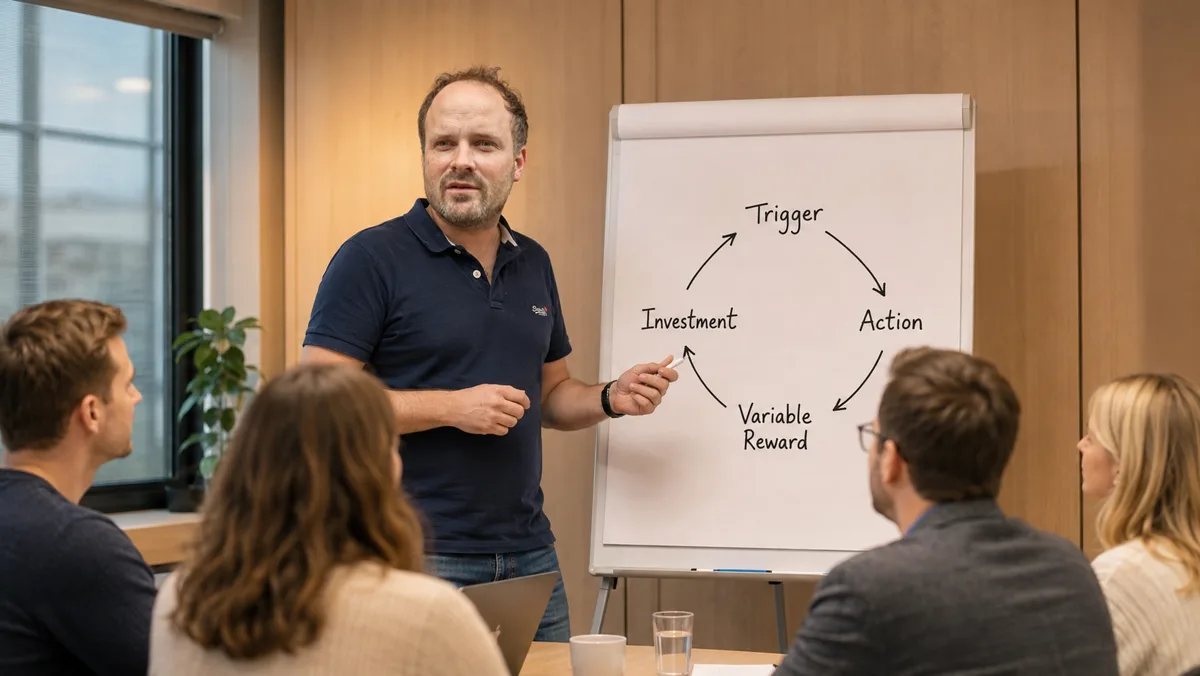
AINir Eyal describes in his Hooked model how recurring patterns of behaviour arise from four elements:
trigger → action → variable reward → investment.
That applies not only to products — it works in team dynamics too:
The trigger can be a clear goal or a challenge.
The action is self-directed doing in the sprint or in the training.
The reward is social recognition, progress or personal growth.
The investment is the time and energy team members put in voluntarily because they experience meaning.
👉 Good team leadership creates structures that support this loop design — through clarity, feedback and real participation.
The biggest mistake: moderating problems away
 AI
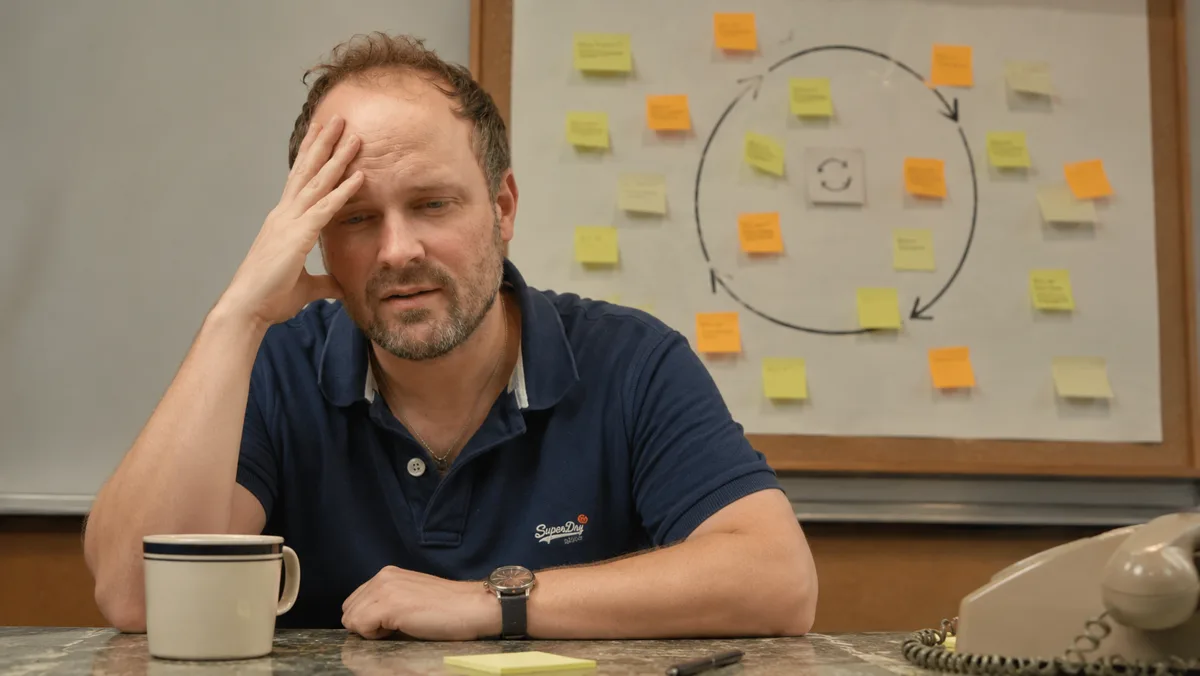
AIweek after week the same subjects.
The same conflicts.
The same attempts to "do it better".
But often the courage for a real reckoning is missing.
The cause?
Retrospectives are retrospective — they reflect on the past.
But they rarely change the system of action in everyday work.
The psychological dilemma: avoiding conflict
In high-performing cultures in particular, team members avoid open criticism so as not to disturb the team climate.
That leads to "groupthink" — to collective silence or glossing over.
And the real chances to grow?
Gone up in smoke.
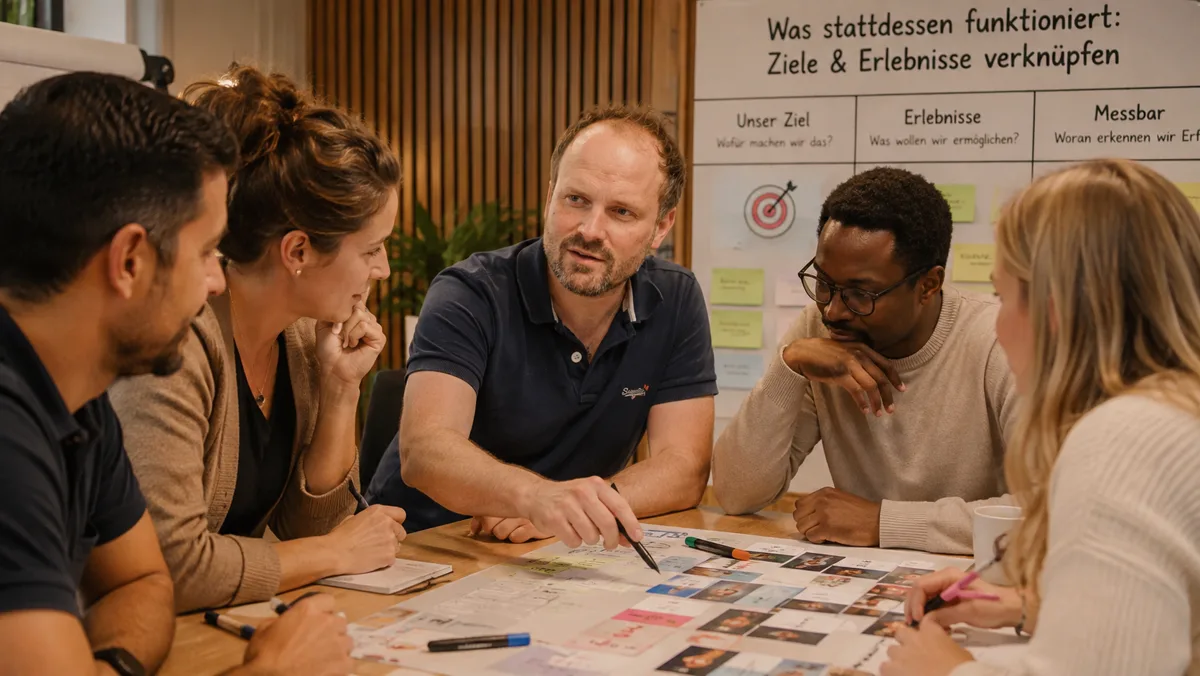
What works instead: linking goals & experiences
 AI
AIThey need shared experiences, ones that touch them emotionally and challenge them cognitively.
👉 That is exactly why team training with a goal focus works so well.
Advantages:
They create emotional closeness.
They make blockages visible without assigning blame.
They put the focus on responsibility instead of on justification.
They offer the chance to try new behaviours out straight away.
Only when teams experience, in a safe setting, how trust, communication and ownership feel, does real change begin.
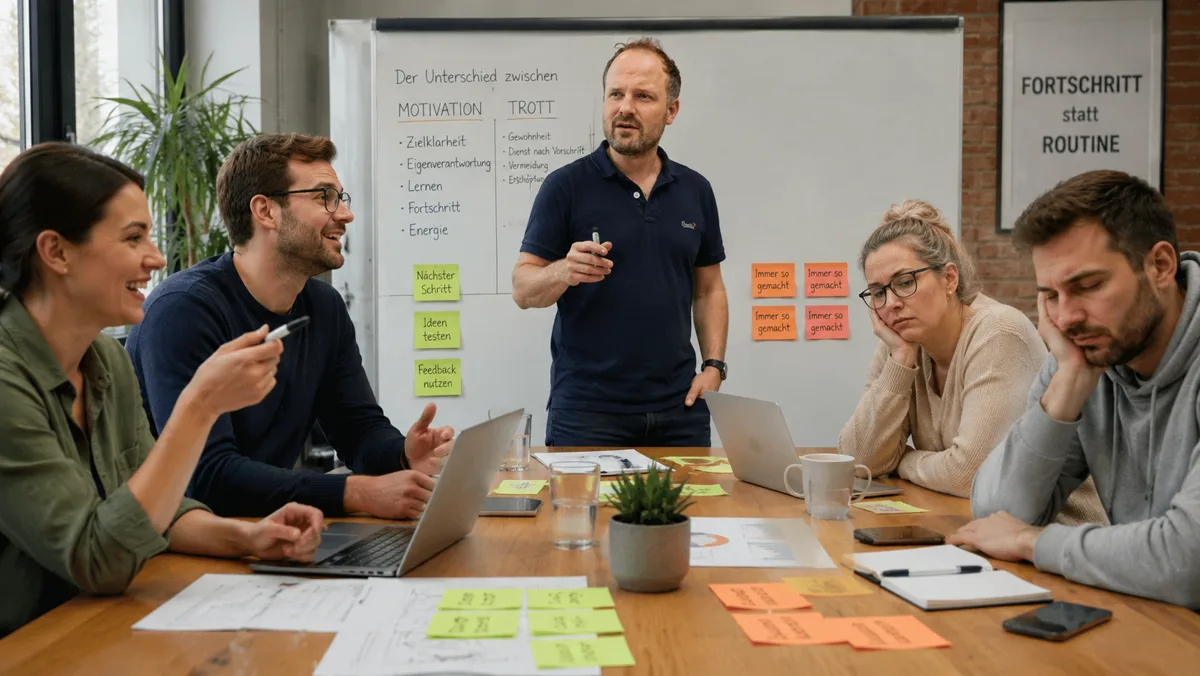
The difference between motivation and rut
 AI
AIOthers ignore them until they are on fire.
The one kind learns and grows.
The other repeats its mistakes — only with better slides.
Mediocre teams stay mediocre because they accept mediocre decisions.
And that has less to do with ability — and more with missing incentives to change..
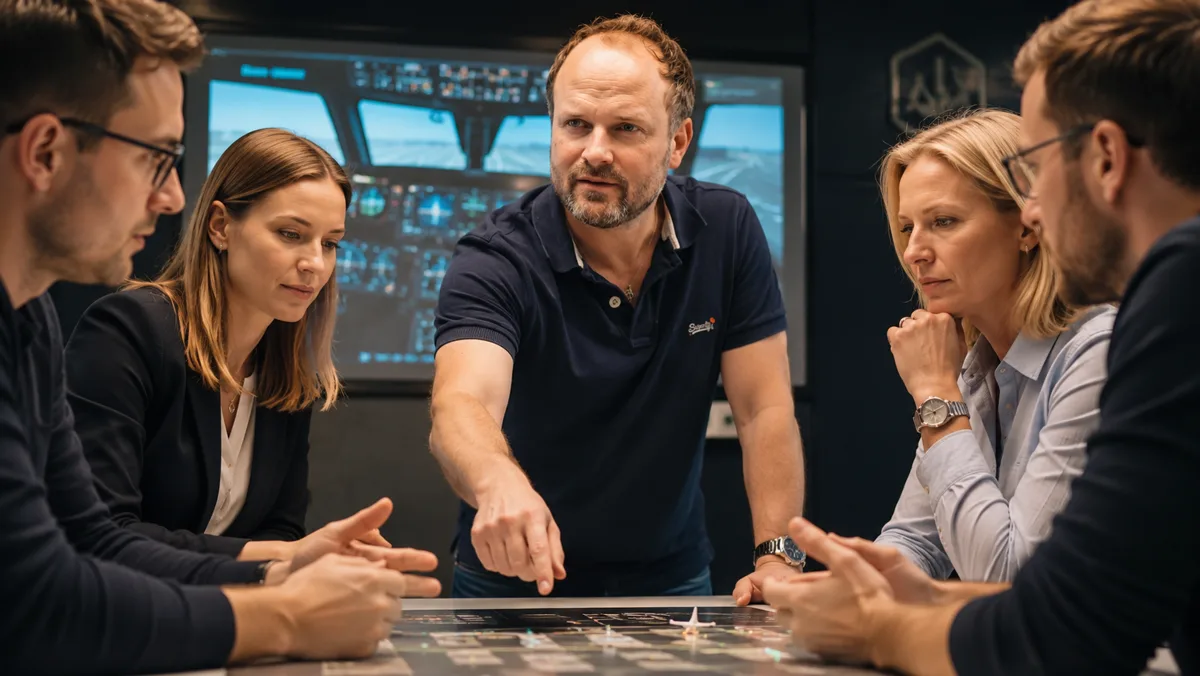
The game changer: gamification in team training
 AI
AIAnd that is exactly where Gamification comes into play.
Why gamification works in a team:
Gamification does not make training "gamey" — it makes it effective.
Used properly it meets central psychological needs:
- Meaning & Calling: why are we doing this at all?
- Development & Accomplishment: making progress visible and celebrating it.
- Social Influence: peer feedback, respect, belonging.
- Unpredictability: curiosity, elements of surprise, dynamism.
And the most important lever:
👉 teams keep applying what they learned, because they bind themselves emotionally — to the story, to the challenge, to one another.
And what happens when you use all of this systematically?
 AI
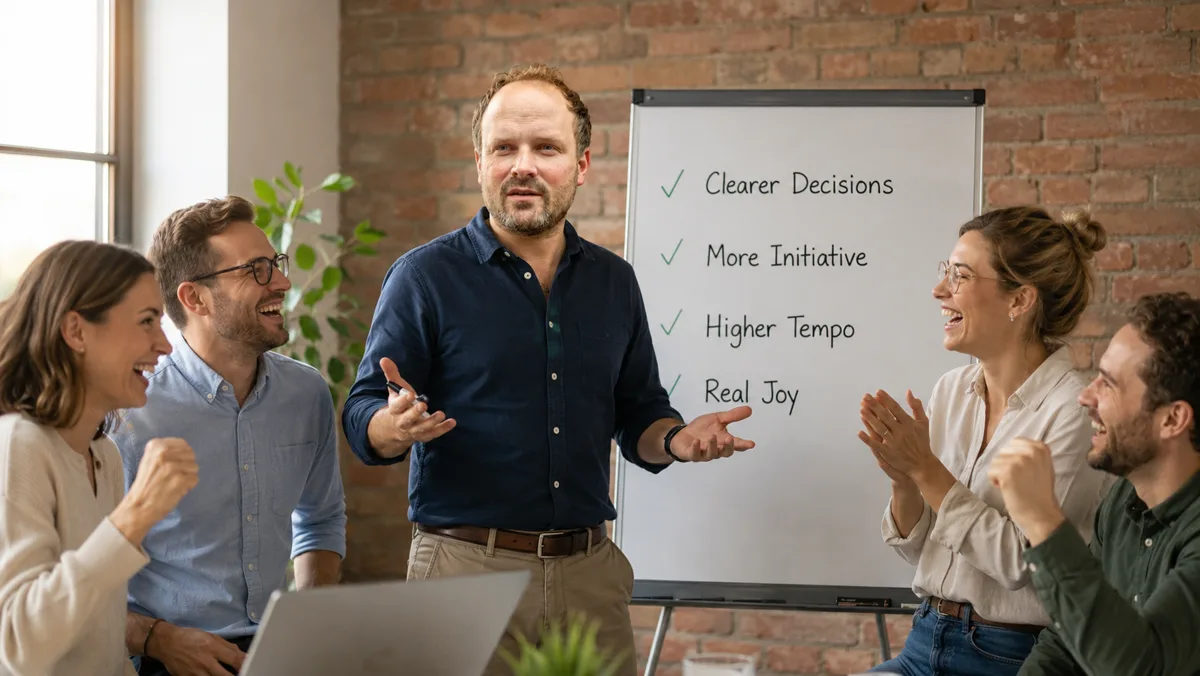
AIMany were tired, fragmented and frustrated.
After only a few days in a goal-directed, gamified team process, the feedback was often this:
"That was the first time in months that we knew again what we are actually doing all this for."
The effect:
- Clearer decisions
- Higher pace
- More initiative
- And real joy in working together
Do you want that too?
 AI
AIif you sense that more would be possible, but the breakthrough is missing —
if you want your team to want to win together again –
👉 Then take a look at FlightRoom for yourself.
I show you how to get your team moving —
without pressure, without esoteric leadership platitudes —
but with system, story and real motivation.